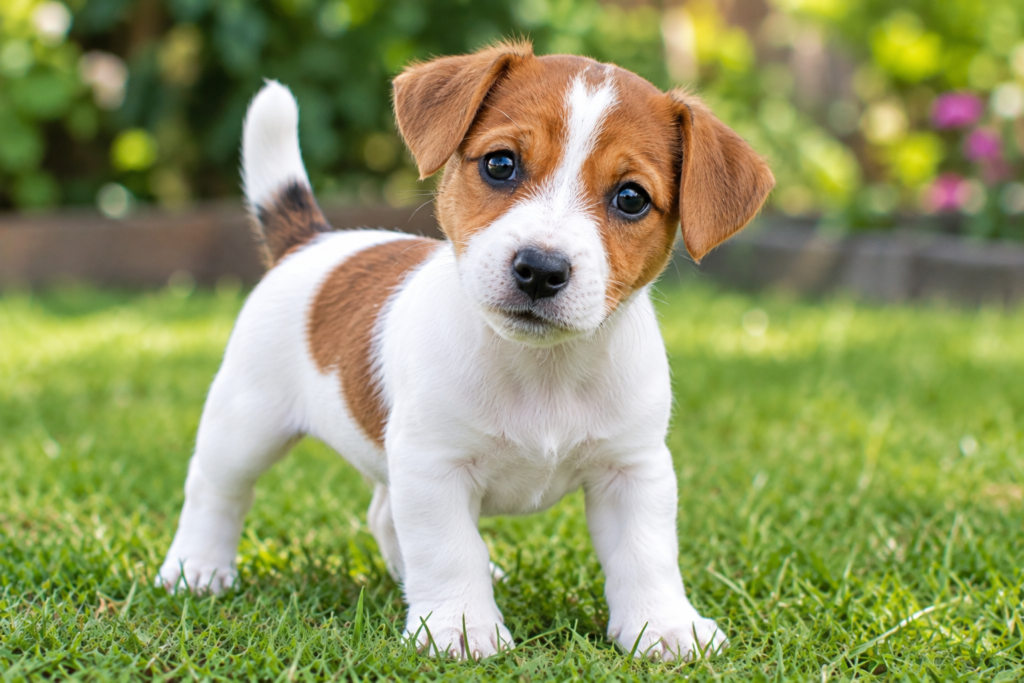
A Jack Russell puppy is small in size but full of energy, intelligence, and personality. Originally developed as a working terrier, the Jack Russell is known for its confidence, athletic ability, curiosity, and strong instinct to chase and investigate.
These puppies can be wonderful companions for active families and individuals who have enough time to provide exercise, training, and mental stimulation. However, their energetic nature means they are not a breed that should be chosen simply because they are small and cute. For more insigh here basset hound puppies
With proper care and early training, a Jack Russell puppy can grow into a loyal, entertaining, and highly responsive companion.
Jack Russell Puppy Appearance
Jack Russell puppies have a compact, athletic body designed for movement. Their coat can be smooth, broken, or rough, depending on the individual dog.
White is usually the dominant coat color, with markings commonly appearing around the head and sometimes elsewhere on the body. Their alert eyes and upright or semi-folded ears contribute to their lively appearance.
Although small, these puppies are typically muscular and surprisingly athletic. They can run, jump, dig, and explore with remarkable enthusiasm.
Jack Russell Puppy Temperament
The personality of a Jack Russell puppy is one of the breed’s most important characteristics. These dogs are generally intelligent, confident, curious, and energetic.
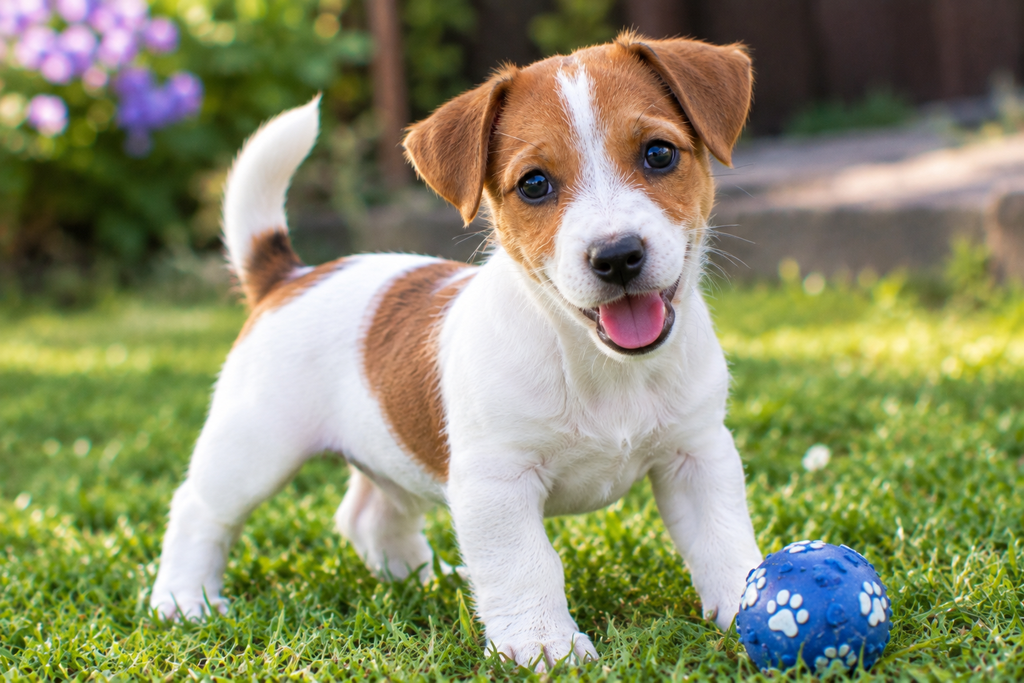
A young Jack Russell may spend much of the day exploring its surroundings, playing with toys, and looking for something interesting to investigate.
Common characteristics include:
- Highly energetic
- Intelligent and curious
- Confident
- Playful and affectionate
- Alert and responsive
- Independent-minded
- Strong prey drive
- Sometimes stubborn
Their intelligence makes them capable learners, but it can also mean they quickly discover ways to get what they want. Consistent rules and positive training are essential.
Training a Jack Russell Puppy
Training should begin as soon as your Jack Russell puppy comes home. Early training helps establish good habits before unwanted behaviors become difficult to change.
Start with simple commands such as:
- Sit
- Stay
- Come
- Down
- Leave it
- Drop it
Use positive reinforcement through praise, toys, or small appropriate treats. Keep training sessions short and interesting because repetitive exercises can quickly become boring for an energetic terrier.
House training should also begin early. Take the puppy outside regularly, particularly after waking, eating, drinking, and playing.
Socialization Is Important
Early socialization helps a Jack Russell puppy learn how to behave confidently around people, dogs, household sounds, and unfamiliar environments.
Introduce new experiences gradually and positively. Avoid overwhelming the puppy with too many unfamiliar experiences at once.
Exercise Requirements
A Jack Russell puppy needs plenty of age-appropriate activity. Their working-terrier background gives them considerable energy and enthusiasm.
Suitable activities can include:
- Short walks
- Interactive games
- Fetch
- Scent games
- Puzzle toys
- Basic obedience exercises
- Supervised outdoor exploration
Puppies are still developing, so exercise should be appropriate for their age and physical development. Avoid forcing a young puppy into prolonged or strenuous activity.
Mental exercise is equally important. A Jack Russell that receives physical exercise but little mental stimulation may still become bored.
Feeding a Jack Russell Puppy
A balanced puppy diet is essential for healthy growth. Choose a complete and appropriate puppy food and follow feeding recommendations from your veterinarian and the food manufacturer.
Young puppies generally benefit from multiple meals throughout the day rather than unrestricted access to food.
Avoid excessive treats because small dogs can gain weight quickly when treats make up a large portion of their daily calories.
Always provide access to fresh, clean water.
Grooming a Jack Russell Puppy
Jack Russell puppies are relatively easy to groom, although grooming requirements vary according to coat type.
Smooth-coated puppies generally need regular brushing to remove loose hair. Rough- and broken-coated dogs may require additional grooming.
Basic grooming should include:
- Regular brushing
- Nail trimming
- Dental care
- Ear checks
- Occasional bathing
- Checking the skin for abnormalities
Start grooming routines while your puppy is young. Gentle handling can help the puppy become comfortable with brushing, nail care, and other routine procedures.
Jack Russell Puppy Health
Like all dogs, Jack Russell Terriers can experience health problems. Responsible breeding, appropriate nutrition, regular veterinary examinations, and good general care can help support long-term health.
Potential concerns may include certain eye, orthopedic, neurological, and other inherited conditions. A veterinarian can advise you about breed-appropriate health screening and preventative care.
Vaccinations, parasite prevention, dental care, and routine examinations should form part of your puppy’s healthcare plan.
Jack Russell Puppies and Children
A Jack Russell puppy can become a fun companion for children, but supervision is important. These puppies are energetic and can become excited during play.
Children should be taught to handle puppies gently and respect their space. They should never pull a puppy’s ears or tail, disturb it while eating, or engage in rough play.
Teaching children appropriate dog-handling skills helps create a safer relationship between the puppy and the family.
Jack Russell Puppies With Other Pets
Jack Russell puppies can potentially live with other dogs and household pets when properly socialized. However, their terrier background means they may have a strong instinct to chase smaller animals.
Interactions with cats, rabbits, birds, and other small pets should therefore be carefully managed. Introductions should be gradual, controlled, and supervised.
How to Choose a Jack Russell Puppy
When choosing a Jack Russell puppy, look beyond appearance. A responsible breeder should prioritize the health and temperament of the dogs they breed.
Ask about:
- Veterinary examinations
- Vaccinations
- Parasite treatment
- Health history
- Parent dogs
- Socialization
- Feeding routine
- Registration or pedigree documentation, where applicable
A healthy puppy should appear alert, active, clean, and comfortable interacting with people.
Avoid purchasing from sellers who cannot provide basic information about the puppy’s health or living conditions.
Preparing Your Home
Before bringing a Jack Russell puppy home, prepare a safe environment.
Important supplies include:
- Puppy food
- Food and water bowls
- Comfortable bed
- Collar and leash
- Identification tag
- Puppy-safe toys
- Crate or secure sleeping area
- Grooming supplies
- Puppy training pads or cleaning supplies
Terrier puppies are naturally curious, so puppy-proofing your home is especially important. Keep electrical cables, medications, chemicals, and other dangerous objects out of reach.
Common Jack Russell Puppy Behaviors
Some behaviors that surprise new owners are completely related to the breed’s energetic nature.
Digging
Jack Russells can have a strong instinct to dig. Providing appropriate outlets for exploration and teaching alternative behaviors can help manage unwanted digging.
Chasing
Their prey drive can make moving animals, toys, and other fast-moving objects particularly exciting.
Barking
A Jack Russell may bark to alert its owner, express excitement, or respond to something interesting. Training and adequate stimulation can help prevent excessive barking.
Chewing
Like many puppies, Jack Russells explore the world with their mouths. Provide safe chew toys and redirect inappropriate chewing consistently.
Frequently Asked Questions
Is a Jack Russell puppy good for first-time owners?
They can be rewarding for first-time owners who are prepared for an energetic, intelligent, and sometimes stubborn dog. Consistent training is especially important.
Are Jack Russell puppies easy to train?
They are intelligent and capable of learning quickly, but their independence and high energy can make training challenging. Short, positive, consistent sessions are usually effective.
How much exercise does a Jack Russell puppy need?
They need regular age-appropriate physical and mental activity. Young puppies should not be forced into excessive exercise while their bodies are developing.
Do Jack Russell puppies shed?
Yes. Shedding varies depending on the coat type, but regular brushing can help manage loose hair.
Are Jack Russell puppies aggressive?
A Jack Russell is not automatically aggressive. However, the breed can be confident, energetic, and strongly prey-driven. Early socialization and responsible training are important for developing appropriate behavior.
Conclusion
A Jack Russell puppy is a small dog with a remarkably big personality. Intelligent, athletic, playful, and curious, this breed can bring tremendous energy and companionship into the right home.
However, prospective owners should understand that these puppies need more than food and affection. Training, socialization, mental stimulation, appropriate exercise, good nutrition, grooming, and veterinary care are all essential.
When raised with patience and consistency, a Jack Russell puppy can develop into a loyal, active, and entertaining companion that keeps its family busy and smiling for years.
[…] It is important to understand that “long-haired Jack Russell” is generally a descriptive term rather than a separate breed. Jack Russell-type terriers can have different coat textures, including smooth, broken, and rough coats. Breed standards describe the coat as harsh and weather-resistant, reflecting the breed’s original working-terrier purpose. For more insigh here jack russell puppy […]