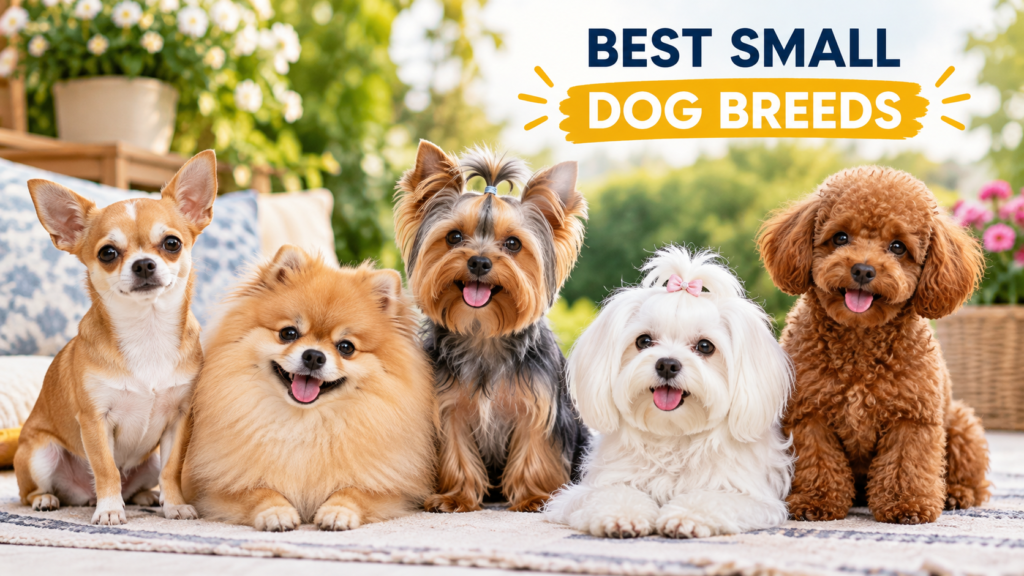
There isn’t one small dog breed that is perfect for everyone. The best choice depends on your lifestyle, living space, activity level, grooming preferences, and whether you have children or other pets. Breeds such as the Bichon Frise, Boston Terrier, Cavalier King Charles Spaniel, Miniature Schnauzer, and Beagle each offer different qualities that may suit different homes.
Small dogs can be excellent companions because they generally require less physical space than large breeds and many can adapt well to apartment living. But small size does not automatically mean low maintenance. Small dogs still need exercise, training, social interaction, grooming, and appropriate veterinary care. For more insight here best small dog family
What Should You Look for in a Small Dog?
Before choosing a breed, think about how the dog will fit into your everyday life. A lively terrier may be physically small but still need plenty of activity, while a companion breed may be more comfortable spending time indoors.
Consider these factors: What Is the Best Small Dog
- Energy level: How much exercise can you provide every day?
- Temperament: Do you want a playful, affectionate, independent, or highly social dog?
- Grooming: Are you comfortable brushing and professionally grooming a dog regularly?
- Children: Is the dog physically sturdy and temperamentally appropriate for your children’s ages?
- Living space: Will the dog live in an apartment, townhouse, or house?
- Training: How much time can you devote to basic manners and socialization?
- Time alone: How long will the dog regularly be without human company?
The American Kennel Club specifically recommends considering your lifestyle, home, and children’s ages when selecting a family dog.
9 Small Dog Breeds Worth Considering
1. What Is the Best Small Dog Bichon Frise
The Bichon Frise is a small but sturdy companion breed known for its cheerful personality. Purina describes the Bichon as lively, people-oriented, and willing to learn, while the AKC describes it as a resilient small dog with plenty of personality.
Why consider a Bichon Frise: What Is the Best Small Dog
- Small and adaptable
- Playful and social
- Enjoys learning
- Can suit many indoor lifestyles
- Often enjoys spending time with its family
The major consideration is grooming. Its fluffy coat requires regular maintenance, so this isn’t the ideal choice for someone looking for a completely low-grooming dog.
Another practical consideration is companionship. Bichons tend to enjoy human interaction, so families should think carefully about how much time the dog will spend alone.
2. What Is the Best Small Dog Boston Terrier
The Boston Terrier is a compact dog with an energetic and affectionate personality. Purina describes the breed as intelligent, lively, affectionate, and generally friendly with family members, including children.
Boston Terriers can be appealing to people who want a small dog that enjoys both play and relaxation.
Potential advantages include: What Is the Best Small Dog
- Compact size
- Short coat
- Playful personality
- Strong interest in family interaction
- Can adapt to smaller homes
However, prospective owners should learn about the breed’s health considerations before choosing one. A veterinarian can help you understand the care requirements of an individual dog.
3. Cavalier King Charles Spaniel
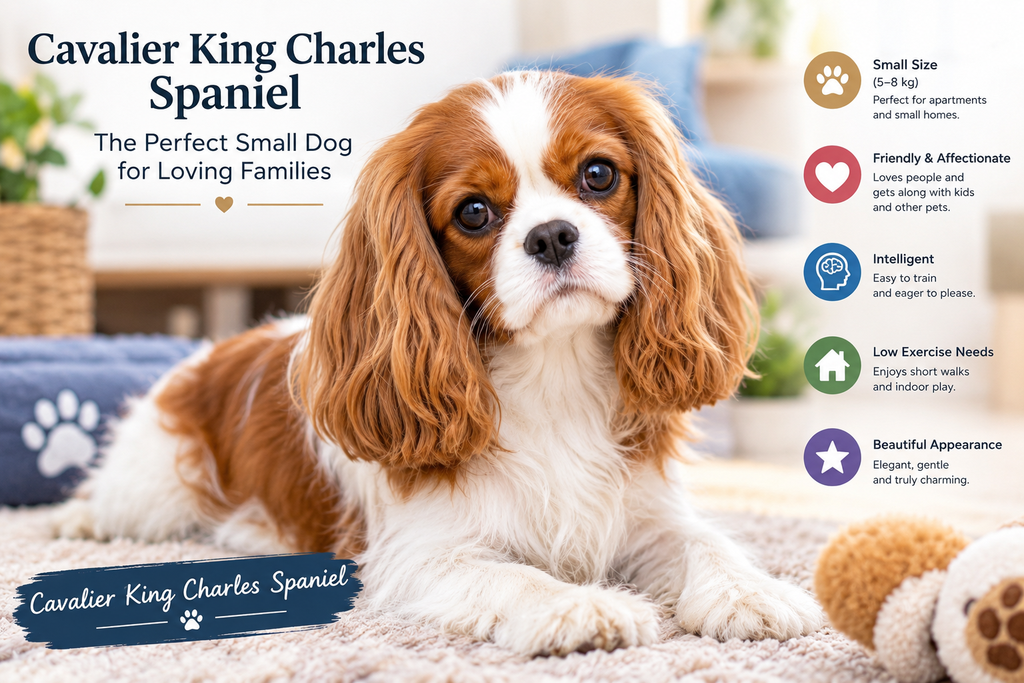
The Cavalier King Charles Spaniel is widely recognized as an affectionate companion breed. Purina’s family-dog guidance describes Cavaliers as friendly, affectionate, playful, and relatively easy to train.
This can make the breed attractive to families, particularly those with older children who want to participate in training.
Good things to consider: What Is the Best Small Dog
- Affectionate personality
- Enjoys human companionship
- Playful without being an extremely large dog
- Can participate in walks and activities
- Suitable for families that can provide regular grooming
The breed’s long, feathery coat needs regular attention. More importantly, prospective owners should research the health conditions associated with Cavaliers and discuss appropriate health screening with a veterinarian or responsible breed specialist.
4. Miniature Schnauzer
The Miniature Schnauzer has a much bigger personality than its compact body might suggest. Purina describes the breed as loyal and affectionate, while small-dog references commonly include it among active and intelligent small breeds.
This breed can be a good option for someone who wants a small dog that enjoys training and activity.
Consider a Miniature Schnauzer if you want: What Is the Best Small Dog Breed
- An intelligent companion
- A lively personality
- A dog that enjoys learning
- A distinctive wiry coat
- A small dog with plenty of character
The trade-off is that training and grooming need to be part of your routine. A small body doesn’t mean a small need for mental stimulation.
5. Beagle
The Beagle is a compact hound known for its friendly nature and strong sense of smell. The AKC includes Beagles among its family-dog selections and describes them as happy-go-lucky companions.
Beagles can be a particularly interesting choice for active households.
They may enjoy: What Is the Best Small Dog Breed
- Long walks
- Scent games
- Outdoor exploration
- Family activities
- Training based on rewards and motivation
The important thing to understand is that a Beagle’s nose can dominate its attention. A family that expects perfect off-leash behavior without appropriate training and secure surroundings may struggle.
6. Papillon
The Papillon is a very small companion dog with distinctive butterfly-like ears. Despite its tiny appearance, it can be active, intelligent, playful, and capable of learning a surprising number of behaviors.
Purina notes that Papillons can be affectionate, playful, and highly intelligent, while also pointing out that toilet training can require patience and consistency.
Papillons may suit: What Is the Best Small Dog Breed
- Quieter families
- Older children
- People interested in training
- Homes with limited space
- Owners who want a tiny but active companion
Because of their small size, families with very young children need to take particular care to prevent accidental injury.
7. Pug
Pugs are compact companion dogs that generally enjoy being around their people. They can be appealing to households looking for a small dog with a social personality.
However, their physical structure means prospective owners should take heat, breathing, exercise tolerance, and general health seriously. These are not issues to ignore simply because the dog is small.
If you are considering a Pug, speak with a veterinarian about breed-specific health considerations and appropriate exercise for the individual dog.
8. Border Terrier
The Border Terrier is small but notably sturdy and energetic. The AKC describes the breed as upbeat and agile.
It may be a good fit for someone who wants a small dog for an active lifestyle rather than a dog that spends most of the day on a lap.
Border Terriers can enjoy: What Is the Best Small Dog Breed
- Walks
- Outdoor adventures
- Games
- Training
- Exploring
Their terrier instincts also mean owners should take recall training and safe management seriously.
9. Cesky Terrier
The Cesky Terrier is a less commonly encountered small breed with an active and intelligent personality. The AKC describes the Cesky as a clever and adventurous playmate.
This can make it interesting for families or individuals who want a small dog that isn’t one of the most familiar toy breeds.
As with any breed, the decision should be based on the dog’s actual temperament and the family’s ability to meet its exercise, grooming, training, and companionship needs.
Which Small Dog Is Best for Families?
If children are part of your household, don’t choose a dog based solely on how cute or small it is.
The AKC emphasizes that families should consider the children’s ages and the dog’s characteristics. Some small breeds are physically too delicate for rough play, while others may be more comfortable with older children.
Purina similarly stresses that children should be taught to treat dogs gently and that children and dogs should always be supervised together.
A good family match should allow the dog to have: What Is the Best Small Dog Breed
- A quiet place to rest
- Regular exercise
- Positive training
- Safe interactions with children
- Time away from household activity when needed
- Consistent adult supervision
One common mistake is assuming that a small dog is automatically safer or easier around children. In reality, some tiny dogs can be injured by accidental rough handling.
Which Small Dog Is Best for Apartments?
Many small breeds can adapt well to apartment living, but the dog’s energy level matters just as much as its size.
The AKC notes that small dogs can be suitable for apartment life, while also pointing out that some small breeds—including certain terriers and Dachshunds—still enjoy running and active outdoor lifestyles.
For apartment living, consider: What Is the Best Small Dog Breed
Noise
A dog that frequently vocalizes may be challenging in a building with close neighbors.
Exercise
A small dog still needs appropriate daily activity.
Mental stimulation
Training, scent games, puzzle toys, and interactive play can help prevent boredom.
Ability to settle
A dog that can relax indoors after appropriate activity may be easier to live with than a constantly restless dog.
Are Small Dogs Easy to Train?
Small dogs are trainable, but owners sometimes make one mistake: they excuse behaviors because the dog is tiny.
Jumping, barking, pulling on the leash, guarding food, and ignoring recall can still become frustrating behaviors regardless of the dog’s size.
Use consistent, reward-based training and start early. Keep sessions short and positive, particularly with puppies.
House-training can also take patience. Purina specifically notes that smaller dogs may take longer to toilet train because of their smaller digestive systems.
Which Small Dog Needs the Least Grooming?
If grooming is a major concern, pay attention to coat type rather than simply choosing the smallest breed.
Short-coated breeds such as the Boston Terrier generally require less coat maintenance than curly or long-coated breeds such as the Bichon Frise or Cavalier King Charles Spaniel.
However, “low grooming” doesn’t mean “no grooming.” Every dog still needs routine coat, nail, ear, dental, and general care appropriate to the individual.
What Is the Best Small Dog for a First-Time Owner?
There isn’t one universal answer.
A first-time owner may find a small dog physically easier to handle, but temperament, training needs, grooming, barking, and exercise requirements still matter. Small dogs can have strong personalities and may require just as much consistency as larger dogs.
A useful approach is to choose a breed whose normal requirements fit your routine rather than choosing the breed that simply looks easiest.
For example: What Is the Best Small Dog Breed
Want an affectionate companion? A Cavalier King Charles Spaniel may be worth researching.
Want a cheerful, fluffy companion? Consider a Bichon Frise.
Want an active small dog? A Beagle or Border Terrier may be a better match.
Want a clever, trainable small dog? A Papillon or Miniature Schnauzer could be worth considering.
Want a compact companion with a short coat? A Boston Terrier may fit your preferences.
These aren’t rankings; they are examples of how different breeds can fit different lifestyles.
Small Dog vs. Large Dog: Which Is Easier?
Size can affect handling and space requirements, but it does not determine how easy a dog will be.
A small terrier can be more energetic and demanding than a larger, calmer companion breed. Likewise, a tiny dog may require frequent grooming or have difficulty being left alone.
Before deciding, compare the dog’s: What Is the Best Small Dog Breed
- Exercise needs
- Training requirements
- Grooming
- Barking tendencies
- Social needs
- Health considerations
- Compatibility with children and other pets
The AKC recommends matching a dog’s characteristics to your home and lifestyle rather than relying on size alone.
How to Choose the Right Small Dog Breed
Instead of asking only, “What is the best small dog breed?” ask these five questions:
1. How active is your family?
If you enjoy hiking, long walks, and outdoor activities, an energetic small breed may be a better fit.
2. How much grooming can you handle?
Long, curly, or feathered coats can require significantly more maintenance.
3. How old are your children?
Very young children need constant supervision around dogs, particularly very small or delicate breeds.
4. How much time will the dog spend alone?
Some highly social breeds may struggle when regularly left alone for long periods.
5. Can you meet the dog’s needs for its entire life?
A dog is a long-term commitment. Think beyond the excitement of bringing home a puppy and consider exercise, training, grooming, veterinary care, and companionship throughout adulthood and old age.
FAQ
What is the best small dog breed?
There is no single best small dog breed for every person. Bichon Frises, Boston Terriers, Cavalier King Charles Spaniels, Miniature Schnauzers, Beagles, Papillons, Pugs, Border Terriers, and Cesky Terriers all have different qualities that may suit different lifestyles.
What is the best small dog for families with kids?
Several small breeds can fit family life, but the children’s ages and the dog’s individual temperament are important. Families should always supervise children around dogs and teach children appropriate handling.
What is the calmest small dog?
There is no guaranteed calmest breed for every household. Temperament varies between breeds and individual dogs, and environment and training can influence behavior.
What is the best small dog for an apartment?
Many small breeds can live successfully in apartments. However, barking, exercise requirements, mental stimulation, and the dog’s ability to settle indoors should all be considered.
Are small dogs easier to care for?
Not necessarily. They may be easier to physically handle and may require less living space, but small dogs still need exercise, training, grooming, social contact, and veterinary care.
What is the best small dog for a first-time owner?
The best choice depends on the owner’s lifestyle and willingness to train and care for the dog. A breed with manageable exercise and grooming requirements may be easier for some first-time owners, but there is no universally easiest small breed.
The Bottom Line
The best small dog breed is the one whose needs genuinely match your lifestyle. A Bichon Frise may appeal to someone wanting a cheerful companion, while an active household might prefer a Beagle or Border Terrier; families may also consider breeds such as the Cavalier King Charles Spaniel or Boston Terrier. Before choosing, look beyond appearance and size, meet individual dogs when possible, and make sure the whole household is prepared for the daily responsibility of dog ownership.
[…] If you’re looking for a little dog that looks like a teddy bear, there are plenty of breeds to consider. Some are playful and energetic, while others are more relaxed companion dogs. The right choice depends on what you want from your dog and how much time you can devote to grooming, training, exercise, and companionship. For more insight here what is the best small dog breed […]