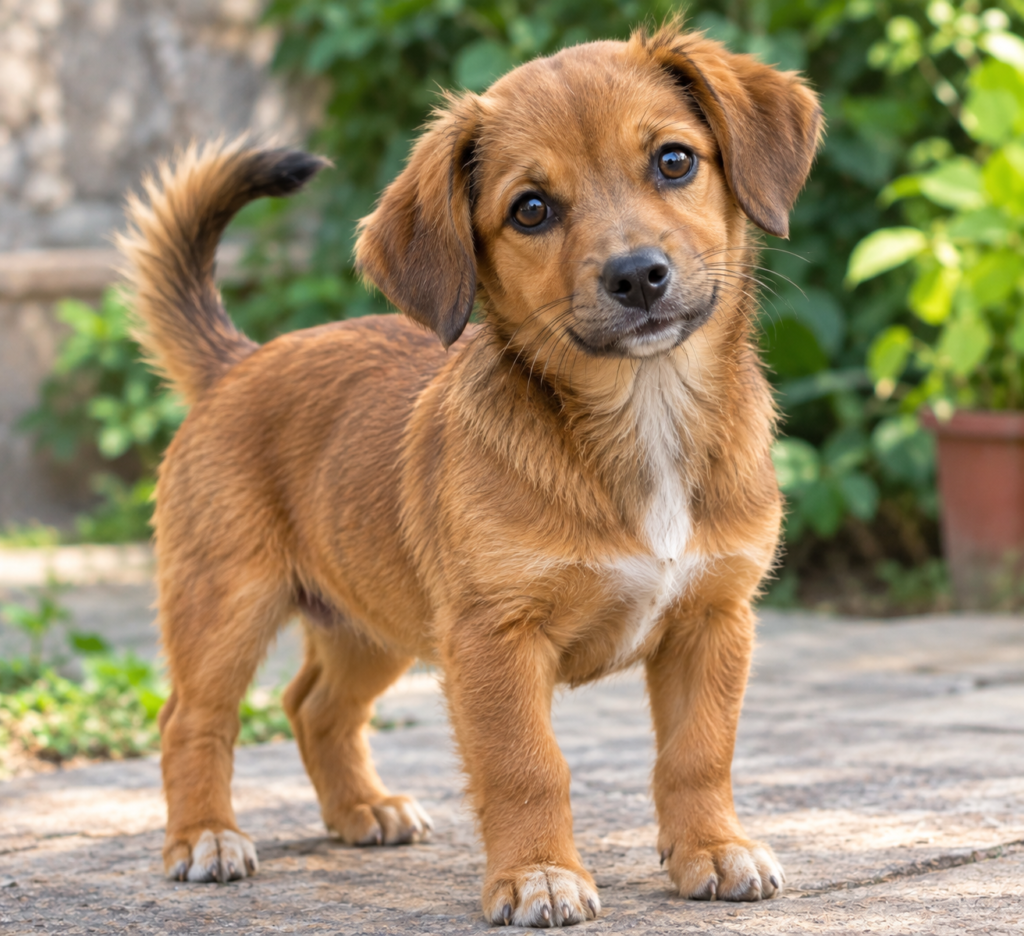
A small brown dog can be an adorable and loving companion. Brown dogs come in many shades, from light tan and caramel to chocolate, liver, chestnut, and reddish brown. When combined with a small size, these dogs are especially popular among people who want a companion that is easy to handle and suitable for a variety of homes.
There is no single breed called the “small brown dog.” Instead, many different breeds can naturally have brown coats. Their personalities and care requirements can be completely different, so choosing a dog based only on color is not recommended.
Popular small brown dogs include the Chihuahua, Dachshund, Pomeranian, Toy Poodle, Cavalier King Charles Spaniel, Yorkshire Terrier, and Miniature Pinscher. Some are energetic and athletic, while others are primarily companion dogs. For more insight here mixed breed dogs
What Is a Small Brown Dog?
The term “small brown dog” describes a dog based on two characteristics:
- Small size
- Brown or brown-toned coat
It does not identify a specific breed.
Brown coats can occur in many breeds and may have different names depending on the breed’s genetics and official terminology. A dog may also have brown markings combined with white, black, cream, or tan.
Mixed-breed dogs can also have beautiful brown coats and may combine characteristics from several breeds.
Popular Small Brown Dog Breeds
1. Chihuahua
The Chihuahua is one of the smallest recognized dog breeds and can have a wide variety of coat colors, including brown and chocolate shades.
Chihuahuas are often confident, alert, and strongly attached to their owners. Their tiny bodies make them easy to carry, but they still need appropriate exercise, socialization, and training.
They can be suitable for apartment living, although owners should protect them from accidental injuries and rough play.
2. Dachshund
The Dachshund is famous for its long body, short legs, and distinctive appearance.
Small brown Dachshunds can have smooth, long, or wire-haired coats. Brown shades can range from chocolate to reddish-brown and may appear with different markings.
Dachshunds were originally developed as hunting dogs, so their small size should not be mistaken for a lack of energy. They can be curious, courageous, and persistent.
Because of their long backs, owners should also take care when the dog uses stairs or jumps from high furniture.
3. Pomeranian
Pomeranians are small, fluffy dogs that can appear in several brown and brown-toned colors.
They are generally lively, intelligent, and alert. Their thick double coat creates an impressive appearance but requires regular brushing.
A brown Pomeranian can look especially striking because its fluffy coat highlights the richness of the color.
Despite their tiny size, Pomeranians benefit from daily activity, training, and mental stimulation.
4. Toy Poodle
Toy Poodles are small, intelligent dogs that can have brown coats often described as chocolate or related shades.
They are highly trainable and can enjoy learning tricks, obedience exercises, and interactive games.
Their curly coat requires regular grooming. Although Poodles are known for low shedding, their coats still need consistent care to prevent mats and overgrowth.
5. Cavalier King Charles Spaniel
Cavalier King Charles Spaniels are small companion dogs that can have beautiful brown-and-white coats, particularly the Blenheim pattern, which combines chestnut markings with white.
They are generally affectionate and people-oriented. Cavaliers often enjoy walks and play but also appreciate relaxing with their families.
Their long, feathered ears and coat require regular grooming and routine checks to keep them clean and healthy.
6. Miniature Pinscher
The Miniature Pinscher is a small, athletic breed that can have rich brown or chocolate-related coloring, often combined with tan markings.
These dogs are energetic and confident. They may enjoy active play and training more than some other small companion breeds.
Their short coat is relatively simple to maintain, but their exercise and mental stimulation needs should not be overlooked.
7. Yorkshire Terrier
Yorkshire Terriers are famous for their silky coats, which can contain rich tan and golden colors.
Although adult Yorkies are not usually entirely brown, their warm coloring can give them a brown-toned appearance, particularly when their coat is maintained naturally.
Yorkies are small but often energetic and confident. Their long coat requires regular grooming.
Brown Coat Colors in Small Dogs
Not all “brown” dogs have exactly the same shade.
Common descriptions include:
- Chocolate
- Dark brown
- Light brown
- Caramel
- Chestnut
- Liver
- Reddish brown
- Tan
- Golden brown
Coat color can also change or become lighter as a dog ages. The exact appearance depends on genetics, coat type, lighting, and grooming.
Small Brown Dogs With Short Hair
If you prefer simple coat maintenance, a short-haired small brown dog may be a good option.
Examples can include:
- Short-haired Chihuahua
- Miniature Pinscher
- Smooth Dachshund
- Some mixed-breed dogs
Short hair generally makes brushing easier, but these dogs still need regular bathing when necessary, nail care, dental care, and ear checks.
A short coat does not mean the dog requires no grooming.
Small Brown Dogs With Long Hair
Long-haired small brown dogs can have beautiful coats, but they usually require more maintenance.
Examples include:
- Long-haired Dachshund
- Pomeranian
- Toy Poodle
- Cavalier King Charles Spaniel
- Some Yorkshire Terriers and mixed breeds
Regular brushing helps reduce tangles and mats. Depending on the breed, professional grooming may also be useful.
Small Brown Dog Temperament
Color does not determine a dog’s personality.
Two brown dogs can look similar but behave completely differently because temperament is influenced by genetics, breed background, early experiences, socialization, training, and individual personality.
Before choosing a small brown dog, consider whether you want a dog that is:
- Calm and cuddly
- Energetic and playful
- Highly trainable
- Independent
- Social
- Protective
- Quiet or vocal
Breed characteristics can provide useful clues, but every dog should still be evaluated individually.
Exercise Needs
Small dogs still need regular exercise.
Depending on the breed, exercise can include:
- Short daily walks
- Indoor play
- Fetch
- Training games
- Puzzle toys
- Interactive toys
- Safe outdoor exploration
An energetic Dachshund or Miniature Pinscher may need more activity than a quieter companion breed.
Exercise should be appropriate for the dog’s age, health, size, and breed characteristics.
Training a Small Brown Dog
Small dogs sometimes receive less training than large dogs because owners assume their behavior is easier to manage.
This can create problems such as excessive barking, jumping, poor leash manners, or difficulty with house training.
Basic training should include:
- Name recognition
- Sit
- Stay
- Come
- Leave it
- Leash walking
- House training
- Appropriate social behavior
Positive reinforcement and consistency can make training more effective and enjoyable.
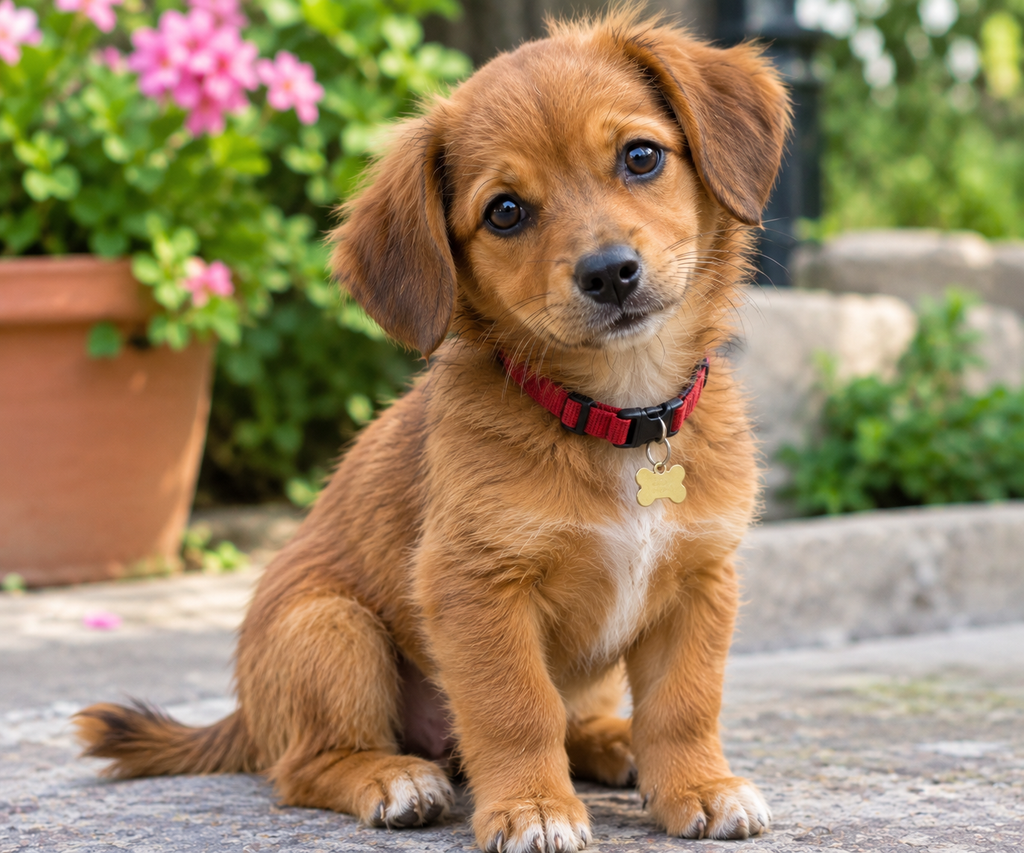
Grooming a Small Brown Dog
Grooming requirements depend on coat type rather than color.
Short-haired dogs
Short-haired brown dogs generally need:
- Occasional brushing
- Bathing when necessary
- Nail trimming
- Ear care
- Dental care
Long-haired dogs
Long-haired brown dogs may need:
- Frequent brushing
- Regular bathing
- Coat trimming
- Professional grooming
- Careful ear and paw cleaning
Regular dental care is particularly important for small dogs because dental problems are common in many small breeds.
Are Small Brown Dogs Good Apartment Pets?
Many small brown dogs can adapt well to apartment living.
However, size alone does not determine whether a dog is suitable for an apartment.
Consider:
- Energy level
- Barking tendency
- Exercise needs
- Training
- Neighbor sensitivity
- Access to safe outdoor areas
- Individual temperament
A small dog with high energy or frequent barking may require more management than a calm dog of the same size.
Small Brown Dogs and Children
Some small brown dogs can live happily with children, but extra care is important because small dogs can be physically fragile.
Children should learn to:
- Handle dogs gently
- Avoid pulling ears or tails
- Leave dogs alone while eating
- Avoid disturbing sleeping dogs
- Ask before picking up a dog
- Respect the dog’s personal space
Young children should always be supervised around dogs.
A sturdier small breed may be a better choice for some families than an extremely tiny or fragile dog.
Health and Safety
Small dogs can be vulnerable to accidental injuries because of their size.
Owners should be careful around:
- Stairs
- High furniture
- Large dogs
- Crowded areas
- Rough play
- Open doors
- Jumping from furniture
Routine veterinary care is also important. A healthy lifestyle includes appropriate nutrition, vaccinations, parasite prevention, dental care, exercise, and regular veterinary examinations.
Feeding a Small Brown Dog
A small dog needs a properly balanced diet in an appropriate portion.
Overfeeding can lead to excess weight, which may place additional stress on the dog’s joints and body.
Food requirements depend on:
- Age
- Weight
- Activity level
- Health
- Breed characteristics
- Type of food
Fresh water should always be available.
If you are unsure how much food your dog needs, a veterinarian can provide advice based on the individual dog’s condition.
How to Choose the Right Small Brown Dog
If you are looking for a small brown dog, start with lifestyle rather than color.
Ask yourself:
Do you want an active dog?
Consider breeds with higher energy levels if you enjoy daily walks and training.
Do you prefer low grooming?
A short-haired breed may be easier to maintain than a long-haired or curly-coated dog.
Do you have children?
Consider temperament and physical sturdiness, and always supervise interactions.
Do you live in an apartment?
Look at barking, exercise, and temperament rather than size alone.
Do you want an easy-to-train dog?
Research the breed’s typical trainability and choose a dog that fits your experience level.
Small Brown Dog vs. Brown Mixed Breed
A brown mixed-breed dog can be just as wonderful as a purebred dog.
Mixed breeds can have combinations of traits from several breeds, making their adult appearance and temperament less predictable.
When adopting a mixed-breed dog, pay attention to the dog’s actual behavior, size, activity level, health history, and personality.
An adult rescue dog can sometimes be easier to evaluate because its adult size and personality are already apparent.
Frequently Asked Questions
What is the best small brown dog?
There is no single best small brown dog for everyone. Chihuahua, Dachshund, Pomeranian, Toy Poodle, Cavalier King Charles Spaniel, and Miniature Pinscher can all be appealing choices depending on lifestyle and care preferences.
What small dogs are naturally brown?
Several small breeds can have brown or brown-toned coats, including Dachshunds, Chihuahuas, Pomeranians, Toy Poodles, and Miniature Pinschers.
Are small brown dogs good pets?
Yes. Many can make affectionate and entertaining companions, but their needs vary by breed and individual temperament.
Are small brown dogs easy to train?
Some are highly trainable, while others can be independent or stubborn. Consistent positive training is important regardless of size.
Do small brown dogs need a lot of exercise?
It depends on the breed. Some small dogs are energetic and need considerable activity, while others require less intense exercise.
Are small brown dogs good for apartments?
Many can adapt well to apartments, but barking, energy level, exercise needs, and temperament should all be considered.
What is the cutest small brown dog?
“Cute” is subjective, but breeds such as the Pomeranian, Dachshund, Chihuahua, Toy Poodle, and Cavalier King Charles Spaniel are commonly admired for their small size and distinctive appearance.
Conclusion
A small brown dog can be an excellent companion, but there is no single breed that fits this description. From the tiny Chihuahua and athletic Miniature Pinscher to the long-bodied Dachshund, fluffy Pomeranian, intelligent Toy Poodle, and affectionate Cavalier King Charles Spaniel, there are many possibilities.
When choosing a small brown dog, look beyond coat color. Consider temperament, exercise, grooming, training, health, size, and compatibility with your lifestyle.
The right small brown dog is not simply the one with the most attractive coat. It is the dog whose personality and needs fit your home and whose care you can provide for its entire life.
[…] Today, puffin hunting is no longer the breed’s purpose, but the Norwegian Lundehund remains a distinctive companion dog with a fascinating history. For more insight here small brown dog […]