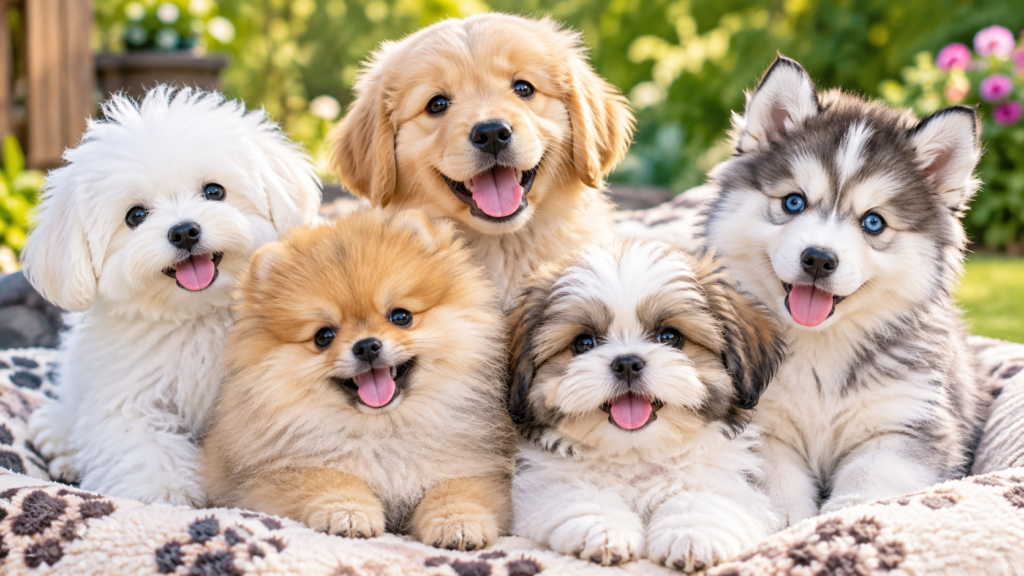
Cute fluffy dogs have a special way of winning hearts with their soft coats, sweet faces, and playful personalities. From tiny lap dogs to large, cloud-like companions, these breeds come in different sizes, colors, and temperaments. Some are perfect for apartment living, while others need plenty of space and exercise. If you love adorable dogs with fluffy fur, these 15 breeds are worth discovering.
Whether you want a small companion, a family-friendly pet, or a dog with a beautiful long coat, this guide will help you explore some of the cutest fluffy dog breeds and understand what makes each one special. For more insight here cute doggo
What Makes a Dog Cute and Fluffy?
Fluffy dogs usually have thick coats, long hair, or soft undercoats that give them a rounded, cuddly appearance. Some look like living teddy bears, while others resemble little clouds when their coats are properly groomed.
However, a fluffy appearance is only one part of choosing the right dog. Every breed has its own personality, grooming requirements, energy level, and health considerations.
Common features of cute fluffy dogs include:
- Soft, thick coats: Many breeds have double coats or long hair that creates a fluffy appearance.
- Adorable facial features: Round eyes, small noses, and rounded faces can make dogs look especially charming.
- Different sizes: Fluffy breeds range from tiny toy dogs to large working breeds.
- Unique personalities: Some enjoy cuddling, while others prefer outdoor adventures and active play.
- Regular grooming needs: Many fluffy dogs need brushing to prevent tangles, mats, and loose hair buildup.
If you are interested in smaller companions, explore our guide to [small fluffy dogs] for more adorable options.
15 Cute Fluffy Dog Breeds You Will Love
1. Pomeranian
The Pomeranian is one of the most recognizable cute fluffy dogs. This tiny breed has a thick double coat, a fox-like face, small ears, and a tail that curls over its back.
Pomeranians are lively, curious, and confident. Despite their small size, they often behave like much larger dogs and enjoy being involved in family activities.
Key facts: Cute Fluffy Dogs
- Size: Usually 3–7 pounds
- Coat: Thick, fluffy double coat
- Personality: Energetic, alert, and affectionate
- Grooming: Regular brushing several times a week
Pomeranians can adapt well to apartments, provided they receive exercise, training, and mental stimulation. Their small size makes them delicate, so families with very young children should supervise interactions carefully.
2. Bichon Frise
The Bichon Frise looks like a little white cotton ball because of its soft, curly coat. Its rounded appearance, dark eyes, and cheerful expression make it a favorite among people who love adorable small dogs.
This breed is generally friendly, playful, and sociable. Bichons often enjoy spending time with their families and can adapt to many living environments.
Key facts: Cute Fluffy Dogs
- Size: Usually 12–18 pounds
- Coat: Soft, curly, white coat
- Personality: Cheerful, affectionate, and playful
- Grooming: Frequent brushing and professional coat maintenance
Bichon Frise dogs are often considered by people looking for lower-shedding companions. However, no dog is completely allergen-free, and their coats still require significant care.
3. Samoyed
The Samoyed is famous for its thick white coat and beautiful smiling expression. This medium-to-large breed looks like a giant fluffy cloud and has a friendly, approachable appearance.
Originally developed as a working dog in cold climates, the Samoyed is energetic, intelligent, and social. It generally needs daily exercise and plenty of interaction with its family.
Key facts: Cute Fluffy Dogs
- Size: Usually 35–65 pounds
- Coat: Dense, white double coat
- Personality: Friendly, active, and outgoing
- Grooming: Frequent brushing, especially during shedding seasons
Samoyeds are wonderful for active owners who enjoy outdoor activities. Their thick coats shed considerably, and they may struggle in hot weather without appropriate cooling and shade.
4. Chow Chow
The Chow Chow is a distinctive breed with a dense coat, small ears, and a mane that can make it resemble a fluffy lion. It comes in several recognized colors, including red, black, cream, blue, and cinnamon.
Chow Chows are often independent and reserved with strangers. They usually benefit from early socialization, consistent training, and respectful handling.
Key facts: Cute Fluffy Dogs
- Size: Usually 45–70 pounds
- Coat: Rough or smooth varieties
- Personality: Independent, loyal, and dignified
- Grooming: Regular brushing and coat checks
Although Chow Chows look cuddly, not every dog enjoys being hugged or handled by strangers. Owners should learn their dog’s body language and supervise interactions with children.
5. Shih Tzu
The Shih Tzu is a small companion dog with a long, flowing coat and an expressive face. When its hair is kept long, it has an elegant appearance; when trimmed short, it can look like a fluffy little teddy bear.
Shih Tzus are typically affectionate and enjoy spending time indoors with their families. Their exercise needs are usually manageable, making them a popular option for people living in smaller homes.
Key facts:
- Size: Usually 9–16 pounds
- Coat: Long, luxurious hair
- Personality: Affectionate, friendly, and companionable
- Grooming: Daily brushing for long coats or regular short trims
Because Shih Tzus have short muzzles, they can be sensitive to heat and may experience breathing difficulties. Keep exercise moderate in warm weather and consult a veterinarian if breathing problems occur.
6. Keeshond
The Keeshond has a thick gray-and-black coat, a fluffy mane, and distinctive markings around its eyes. Its expressive face often gives it the appearance of wearing little spectacles.
This breed is generally affectionate, intelligent, and people-oriented. Keeshonds often enjoy family activities and can be good companions for owners who have time for daily walks and grooming.
Key facts: Cute Fluffy Dogs
- Size: Usually 35–45 pounds
- Coat: Thick double coat
- Personality: Friendly, alert, and sociable
- Grooming: Regular brushing to manage shedding and tangles
Keeshonds can be vocal, so early training may help manage barking. Their thick coats also need special attention during seasonal shedding.
7. American Eskimo Dog
The American Eskimo Dog has a brilliant white coat, pointed ears, a curled tail, and an alert expression. Despite its name, this breed developed from European spitz-type dogs.
American Eskimo Dogs are intelligent and often enjoy learning tricks, playing games, and participating in training sessions. They come in toy, miniature, and standard sizes.
Key facts: Cute Fluffy Dogs
- Size: Varies by size variety
- Coat: White double coat
- Personality: Clever, energetic, and attentive
- Grooming: Frequent brushing
This breed can be an excellent choice for people who enjoy training and interactive play. Without enough activity, it may become bored or bark excessively.
8. Maltese
The Maltese is a tiny companion dog known for its silky white hair and sweet expression. Its hair can grow long enough to reach the floor, although many owners choose a shorter, easier-to-maintain trim.
Maltese dogs are affectionate and often form close bonds with their families. Their small size makes them suitable for many homes, including apartments.
Key facts:
- Size: Usually under 7 pounds
- Coat: Long, silky, white hair
- Personality: Playful, loving, and alert
- Grooming: Daily brushing for long hair and regular trimming
Because Maltese dogs are small and delicate, they need careful handling around children and larger pets. Dental care is also important for this toy breed.
9. Miniature Poodle
The Miniature Poodle is a smart, elegant dog with a curly coat that can be styled in many ways. Its fluffy appearance and lively personality make it appealing to families and individuals alike.
Miniature Poodles are highly trainable and generally enjoy learning commands, solving puzzles, and participating in activities with their owners.
Key facts:
- Size: Usually 10–15 inches tall at the shoulder
- Coat: Dense, curly hair
- Personality: Intelligent, active, and affectionate
- Grooming: Regular brushing and professional clipping
Poodles often shed less visibly than many double-coated breeds, but their curls can become matted without proper care. They still produce allergens, so spending time with the breed before adoption can be helpful for allergy-sensitive households.
10. Havanese
The Havanese is a small, cheerful companion dog with a soft coat that can be straight or wavy. Its expressive eyes and playful behavior make it an especially charming family pet.
Havanese dogs often enjoy company and interactive games. They can learn basic commands and usually respond well to reward-based training.
Key facts: Cute Fluffy Dogs
- Size: Usually 7–13 pounds
- Coat: Silky, soft, and sometimes wavy
- Personality: Sociable, playful, and affectionate
- Grooming: Frequent brushing or a manageable short trim
Havanese dogs thrive when they receive regular attention. They may become distressed if left alone for long periods, so gradual independence training can be beneficial.
11. Finnish Lapphund
The Finnish Lapphund is a fluffy spitz-type dog with a thick coat, upright ears, and an expressive face. Its appearance reflects its history as a reindeer-herding dog in northern regions.
Finnish Lapphunds are generally friendly, alert, and active. They often enjoy walking, training, and spending time with their families.
Key facts:
- Size: Usually 33–53 pounds
- Coat: Thick double coat
- Personality: Intelligent, friendly, and adaptable
- Grooming: Regular brushing, especially during shedding seasons
This breed may suit active households that can provide exercise and mental stimulation. Its thick coat sheds, so it is not the best choice for someone seeking a dog that requires very little grooming.
12. Japanese Spitz
The Japanese Spitz is a small-to-medium white dog with a thick coat, pointed ears, and a curled tail. Its bright expression and compact size give it a classic fluffy appearance.
This breed is often affectionate, alert, and playful. It can adapt to apartment living when its exercise, training, and social needs are met.
Key facts:
- Size: Usually 11–20 pounds
- Coat: White double coat
- Personality: Lively, loyal, and friendly
- Grooming: Regular brushing
Japanese Spitz dogs can be alert barkers, but positive training can help teach them when to settle. They also need regular walks and opportunities to play.
13. Old English Sheepdog
The Old English Sheepdog is a large, shaggy breed with a thick coat that can partly cover its eyes. Its rounded body and fluffy appearance make it one of the most recognizable big dogs.
Despite its substantial coat, this breed is athletic and was developed for herding livestock. It generally needs regular activity, training, and close attention to coat care.
Key facts:
- Size: Commonly 60–100 pounds
- Coat: Long, shaggy double coat
- Personality: Playful, intelligent, and affectionate
- Grooming: Extensive brushing and regular coat maintenance
The Old English Sheepdog is best suited to owners who are prepared for the grooming commitment. Its size and energy level should also be considered when choosing a family pet.
14. Tibetan Terrier
The Tibetan Terrier has a long, thick coat and a distinctive appearance that can resemble a small, shaggy teddy bear. Despite its name, it is not a true terrier.
Tibetan Terriers are often affectionate, intelligent, and playful. They can make loyal companions for households that provide daily activity and consistent grooming.
Key facts:Cute Fluffy Dogs
- Size: Usually 18–30 pounds
- Coat: Long, dense, and sometimes wavy
- Personality: Loyal, sensitive, and lively
- Grooming: Frequent brushing to prevent mats
The coat may collect dirt and debris during outdoor adventures. Regular checks around the paws, ears, and belly help keep it comfortable and clean.
15. Keeshond-Pomeranian Mix
A Keeshond-Pomeranian mix can inherit the thick coat and expressive face of its parent breeds, although its appearance and adult size are not predictable.
Because mixed-breed dogs inherit different combinations of traits, their personality, coat texture, shedding level, and grooming requirements can vary. Meeting the individual dog and learning about its parents can help you make an informed decision.
Possible characteristics: Cute Fluffy Dogs
- Size: Varies according to its parents
- Coat: Often thick and fluffy
- Personality: May be lively, alert, and affectionate
- Grooming: Usually requires regular brushing if it inherits a dense coat
This mix can be adorable, but it is not a standardized breed. Avoid assuming that every puppy will have the same appearance or temperament.
Which Cute Fluffy Dogs Are Best for Families?
The best fluffy dog for a family depends on the ages of the children, the household’s activity level, available time for grooming, and the dog’s individual temperament.
Here are a few breeds worth considering:
| Dog breed | Potential advantage | Important consideration |
|---|---|---|
| Bichon Frise | Playful and sociable | Regular coat maintenance |
| Havanese | Affectionate companion | Needs regular company |
| Miniature Poodle | Intelligent and trainable | Requires grooming and activity |
| Samoyed | Energetic and friendly | Heavy shedding and exercise needs |
| Keeshond | People-oriented and alert | Can be vocal |
| Shih Tzu | Adaptable companion | Heat sensitivity and coat care |
No breed is automatically perfect with every child. Teach children to approach dogs calmly, avoid pulling their fur, and leave them alone while eating or sleeping. Adult supervision is essential.
For more family-friendly options, read our guide to [best dog breeds for kids].
Cute Small Fluffy Dogs for Apartments
If you live in an apartment, you may prefer a small dog that can exercise comfortably indoors and enjoys spending time with people.
Some options include:
- Pomeranian: Small, energetic, and alert.
- Maltese: A tiny companion that enjoys indoor living.
- Shih Tzu: Often content with moderate daily activity.
- Bichon Frise: Playful and adaptable to different homes.
- Havanese: Sociable and well suited to companionship.
Remember that small size does not mean low maintenance. Some little dogs bark frequently, need extensive grooming, or require more exercise than expected.
Before bringing a dog home, consider its noise level, exercise needs, toilet-training requirements, and how long it will be left alone.
Which Fluffy Dogs Shed the Least?
Shedding varies among individual dogs, but some breeds generally shed less visibly than thick-coated breeds such as Samoyeds and Finnish Lapphunds.
Breeds commonly considered for lower shedding include: Cute Fluffy Dogs
- Bichon Frise
- Maltese
- Miniature Poodle
- Havanese
- Shih Tzu
These dogs still need regular brushing and coat maintenance. Hair that remains in a curly or long coat can tangle and form mats if it is not removed through grooming.
Important: No dog breed is completely hypoallergenic. Allergens can be found in a dog’s dander, saliva, and other materials, not only in shed hair.
If allergies are a concern, spend time around the specific dog before adopting and speak with a healthcare professional about your symptoms.
You can also explore our guide to [low-shedding dog breeds] to compare more options.
How to Care for a Cute Fluffy Dog
A beautiful fluffy coat needs consistent care. Grooming is not just about appearance; it also helps you spot skin irritation, parasites, tangles, and other problems.
1. Brush the Coat Regularly
Different coats require different brushing schedules. Long-haired dogs may need daily brushing, while some double-coated breeds need several sessions each week.
Use a suitable brush or comb and work gently through the coat. Pay special attention to areas behind the ears, under the legs, around the collar, and near the tail.
Never pull hard on a mat because doing so can hurt your dog. Severe matting may require help from a professional groomer or veterinarian.
2. Bathe Your Dog When Needed
Bathing helps remove dirt and keep the coat fresh. Use a dog-specific shampoo and rinse thoroughly to prevent residue from irritating the skin.
Bathing frequency depends on the breed, coat, activity level, and skin condition. Avoid excessive bathing unless your veterinarian recommends it.
3. Keep the Coat Comfortable in Warm Weather
Fluffy dogs with thick double coats can become uncomfortable in hot weather. Provide shade, fresh water, good ventilation, and cooler places to rest.
Avoid heavy exercise during the hottest part of the day. Do not shave a double-coated dog without professional advice because its coat can play a role in insulation and skin protection.
4. Maintain Dental Health
Small fluffy breeds, including Maltese and Shih Tzus, can be prone to dental problems. Regular toothbrushing with dog-safe toothpaste and veterinary dental checks can help protect their teeth and gums.
5. Provide Exercise and Mental Stimulation
Even the cutest little dogs need daily activity. Walks, training games, puzzle toys, and supervised play can help prevent boredom.
Choose activities according to your dog’s age, health, and energy level. Puppies and senior dogs may need shorter or gentler sessions.
6. Schedule Regular Veterinary Checkups
Routine veterinary care helps keep your dog healthy. Vaccinations, parasite prevention, weight monitoring, and dental assessments should be tailored to the dog’s age and circumstances.
If you notice persistent itching, bald patches, painful skin, unusual tiredness, or changes in appetite, contact your veterinarian.
How to Choose the Right Fluffy Dog for Your Lifestyle
A dog’s appearance can be appealing, but long-term compatibility matters much more than looks.
Ask yourself these questions before choosing a breed:
- How much time can I spend grooming? Long and dense coats may require substantial daily care.
- How active is my household? A Samoyed generally needs more exercise than many small companion breeds.
- How much space do I have? Small dogs may adapt well to apartments, but they still need exercise and training.
- Will the dog spend time alone? People-oriented breeds may struggle with long periods of isolation.
- Can I afford routine care? Food, grooming, preventive veterinary care, and unexpected medical costs should be included in your budget.
- Do I have children or other pets? Choose a dog whose temperament and needs fit your household, and introduce animals carefully.
If you are unsure, consider adopting an adult dog from a reputable rescue organization. Adult dogs may have more established personalities, making it easier to evaluate their activity level and compatibility.
Frequently Asked Questions
What is the cutest fluffy dog breed?
There is no single answer because cuteness is subjective. Pomeranians, Bichon Frise dogs, Samoyeds, Shih Tzus, and Japanese Spitz dogs are popular choices for their fluffy coats and expressive faces.
What is the smallest fluffy dog?
The Pomeranian and Maltese are among the smallest popular fluffy companion breeds. Individual size varies, and responsible selection should prioritize health and temperament rather than extremely small size.
Are fluffy dogs good pets for children?
Many fluffy breeds can be loving family companions, but suitability depends on the individual dog’s temperament, training, and socialization. Small dogs can be injured by rough handling, while large dogs may accidentally knock over young children. Always supervise interactions.
Which fluffy dogs do not shed much?
Bichon Frise, Maltese, Havanese, Shih Tzu, and Poodles are commonly considered lower-shedding options. However, all dogs produce allergens, and low shedding does not mean no grooming.
Do fluffy dogs need professional grooming?
Many do, especially breeds with continuously growing hair or dense coats that mat easily. The required frequency depends on the breed, coat length, and grooming routine at home.
Are fluffy dogs suitable for hot climates?
Some can live comfortably in warm climates if they receive appropriate care. Provide shade, fresh water, ventilation, and exercise during cooler hours. Thick-coated and short-muzzled breeds may need extra precautions, and signs of heatstroke require urgent veterinary attention.
The Bottom Line
Cute fluffy dogs come in many shapes and sizes, from tiny Pomeranians and Maltese dogs to large, cloud-like Samoyeds and shaggy Old English Sheepdogs. Each breed has its own personality, exercise needs, and grooming requirements. Before choosing a fluffy companion, think about your living space, daily routine, family, and ability to provide regular coat care. With the right match, a fluffy dog can become a loving and delightful part of your life for many years.Cute fluffy dogs have a special way of winning hearts with their soft coats, sweet faces, and playful personalities. From tiny lap dogs to large, cloud-like companions, these breeds come in different sizes, colors, and temperaments. Some are perfect for apartment living, while others need plenty of space and exercise. If you love adorable dogs with fluffy fur, these 15 breeds are worth discovering.
Whether you want a small companion, a family-friendly pet, or a dog with a beautiful long coat, this guide will help you explore some of the cutest fluffy dog breeds and understand what makes each one special.
What Makes a Dog Cute and Fluffy?
Fluffy dogs usually have thick coats, long hair, or soft undercoats that give them a rounded, cuddly appearance. Some look like living teddy bears, while others resemble little clouds when their coats are properly groomed.
However, a fluffy appearance is only one part of choosing the right dog. Every breed has its own personality, grooming requirements, energy level, and health considerations.
Common features of cute fluffy dogs include:
- Soft, thick coats: Many breeds have double coats or long hair that creates a fluffy appearance.
- Adorable facial features: Round eyes, small noses, and rounded faces can make dogs look especially charming.
- Different sizes: Fluffy breeds range from tiny toy dogs to large working breeds.
- Unique personalities: Some enjoy cuddling, while others prefer outdoor adventures and active play.
- Regular grooming needs: Many fluffy dogs need brushing to prevent tangles, mats, and loose hair buildup.
If you are interested in smaller companions, explore our guide to [small fluffy dogs] for more adorable options.
15 Cute Fluffy Dog Breeds You Will Love
1. Pomeranian
The Pomeranian is one of the most recognizable cute fluffy dogs. This tiny breed has a thick double coat, a fox-like face, small ears, and a tail that curls over its back.
Pomeranians are lively, curious, and confident. Despite their small size, they often behave like much larger dogs and enjoy being involved in family activities.
Key facts: Cute Fluffy Dogs
- Size: Usually 3–7 pounds
- Coat: Thick, fluffy double coat
- Personality: Energetic, alert, and affectionate
- Grooming: Regular brushing several times a week
Pomeranians can adapt well to apartments, provided they receive exercise, training, and mental stimulation. Their small size makes them delicate, so families with very young children should supervise interactions carefully.
2. Bichon Frise
The Bichon Frise looks like a little white cotton ball because of its soft, curly coat. Its rounded appearance, dark eyes, and cheerful expression make it a favorite among people who love adorable small dogs.
This breed is generally friendly, playful, and sociable. Bichons often enjoy spending time with their families and can adapt to many living environments.
Key facts: Cute Fluffy Dogs
- Size: Usually 12–18 pounds
- Coat: Soft, curly, white coat
- Personality: Cheerful, affectionate, and playful
- Grooming: Frequent brushing and professional coat maintenance
Bichon Frise dogs are often considered by people looking for lower-shedding companions. However, no dog is completely allergen-free, and their coats still require significant care.
3. Samoyed
The Samoyed is famous for its thick white coat and beautiful smiling expression. This medium-to-large breed looks like a giant fluffy cloud and has a friendly, approachable appearance.
Originally developed as a working dog in cold climates, the Samoyed is energetic, intelligent, and social. It generally needs daily exercise and plenty of interaction with its family.
Key facts: Cute Fluffy Dogs
- Size: Usually 35–65 pounds
- Coat: Dense, white double coat
- Personality: Friendly, active, and outgoing
- Grooming: Frequent brushing, especially during shedding seasons
Samoyeds are wonderful for active owners who enjoy outdoor activities. Their thick coats shed considerably, and they may struggle in hot weather without appropriate cooling and shade.
4. Chow Chow
The Chow Chow is a distinctive breed with a dense coat, small ears, and a mane that can make it resemble a fluffy lion. It comes in several recognized colors, including red, black, cream, blue, and cinnamon.
Chow Chows are often independent and reserved with strangers. They usually benefit from early socialization, consistent training, and respectful handling.
Key facts: Cute Fluffy Dogs
- Size: Usually 45–70 pounds
- Coat: Rough or smooth varieties
- Personality: Independent, loyal, and dignified
- Grooming: Regular brushing and coat checks
Although Chow Chows look cuddly, not every dog enjoys being hugged or handled by strangers. Owners should learn their dog’s body language and supervise interactions with children.
5. Shih Tzu
The Shih Tzu is a small companion dog with a long, flowing coat and an expressive face. When its hair is kept long, it has an elegant appearance; when trimmed short, it can look like a fluffy little teddy bear.
Shih Tzus are typically affectionate and enjoy spending time indoors with their families. Their exercise needs are usually manageable, making them a popular option for people living in smaller homes.
Key facts:
- Size: Usually 9–16 pounds
- Coat: Long, luxurious hair
- Personality: Affectionate, friendly, and companionable
- Grooming: Daily brushing for long coats or regular short trims
Because Shih Tzus have short muzzles, they can be sensitive to heat and may experience breathing difficulties. Keep exercise moderate in warm weather and consult a veterinarian if breathing problems occur.
6. Keeshond
The Keeshond has a thick gray-and-black coat, a fluffy mane, and distinctive markings around its eyes. Its expressive face often gives it the appearance of wearing little spectacles.
This breed is generally affectionate, intelligent, and people-oriented. Keeshonds often enjoy family activities and can be good companions for owners who have time for daily walks and grooming.
Key facts:
- Size: Usually 35–45 pounds
- Coat: Thick double coat
- Personality: Friendly, alert, and sociable
- Grooming: Regular brushing to manage shedding and tangles
Keeshonds can be vocal, so early training may help manage barking. Their thick coats also need special attention during seasonal shedding.
7. American Eskimo Dog
The American Eskimo Dog has a brilliant white coat, pointed ears, a curled tail, and an alert expression. Despite its name, this breed developed from European spitz-type dogs.
American Eskimo Dogs are intelligent and often enjoy learning tricks, playing games, and participating in training sessions. They come in toy, miniature, and standard sizes.
Key facts:
- Size: Varies by size variety
- Coat: White double coat
- Personality: Clever, energetic, and attentive
- Grooming: Frequent brushing
This breed can be an excellent choice for people who enjoy training and interactive play. Without enough activity, it may become bored or bark excessively.
8. Maltese
The Maltese is a tiny companion dog known for its silky white hair and sweet expression. Its hair can grow long enough to reach the floor, although many owners choose a shorter, easier-to-maintain trim.
Maltese dogs are affectionate and often form close bonds with their families. Their small size makes them suitable for many homes, including apartments.
Key facts:
- Size: Usually under 7 pounds
- Coat: Long, silky, white hair
- Personality: Playful, loving, and alert
- Grooming: Daily brushing for long hair and regular trimming
Because Maltese dogs are small and delicate, they need careful handling around children and larger pets. Dental care is also important for this toy breed.
9. Miniature Poodle
The Miniature Poodle is a smart, elegant dog with a curly coat that can be styled in many ways. Its fluffy appearance and lively personality make it appealing to families and individuals alike.
Miniature Poodles are highly trainable and generally enjoy learning commands, solving puzzles, and participating in activities with their owners.
Key facts:
- Size: Usually 10–15 inches tall at the shoulder
- Coat: Dense, curly hair
- Personality: Intelligent, active, and affectionate
- Grooming: Regular brushing and professional clipping
Poodles often shed less visibly than many double-coated breeds, but their curls can become matted without proper care. They still produce allergens, so spending time with the breed before adoption can be helpful for allergy-sensitive households.
10. Havanese
The Havanese is a small, cheerful companion dog with a soft coat that can be straight or wavy. Its expressive eyes and playful behavior make it an especially charming family pet.
Havanese dogs often enjoy company and interactive games. They can learn basic commands and usually respond well to reward-based training.
Key facts: Cute Fluffy Dogs
- Size: Usually 7–13 pounds
- Coat: Silky, soft, and sometimes wavy
- Personality: Sociable, playful, and affectionate
- Grooming: Frequent brushing or a manageable short trim
Havanese dogs thrive when they receive regular attention. They may become distressed if left alone for long periods, so gradual independence training can be beneficial.
11. Finnish Lapphund
The Finnish Lapphund is a fluffy spitz-type dog with a thick coat, upright ears, and an expressive face. Its appearance reflects its history as a reindeer-herding dog in northern regions.
Finnish Lapphunds are generally friendly, alert, and active. They often enjoy walking, training, and spending time with their families.
Key facts: Cute Fluffy Dogs
- Size: Usually 33–53 pounds
- Coat: Thick double coat
- Personality: Intelligent, friendly, and adaptable
- Grooming: Regular brushing, especially during shedding seasons
This breed may suit active households that can provide exercise and mental stimulation. Its thick coat sheds, so it is not the best choice for someone seeking a dog that requires very little grooming.
12. Japanese Spitz
The Japanese Spitz is a small-to-medium white dog with a thick coat, pointed ears, and a curled tail. Its bright expression and compact size give it a classic fluffy appearance.
This breed is often affectionate, alert, and playful. It can adapt to apartment living when its exercise, training, and social needs are met.
Key facts:
- Size: Usually 11–20 pounds
- Coat: White double coat
- Personality: Lively, loyal, and friendly
- Grooming: Regular brushing
Japanese Spitz dogs can be alert barkers, but positive training can help teach them when to settle. They also need regular walks and opportunities to play.
13. Old English Sheepdog
The Old English Sheepdog is a large, shaggy breed with a thick coat that can partly cover its eyes. Its rounded body and fluffy appearance make it one of the most recognizable big dogs.
Despite its substantial coat, this breed is athletic and was developed for herding livestock. It generally needs regular activity, training, and close attention to coat care.
Key facts:
- Size: Commonly 60–100 pounds
- Coat: Long, shaggy double coat
- Personality: Playful, intelligent, and affectionate
- Grooming: Extensive brushing and regular coat maintenance
The Old English Sheepdog is best suited to owners who are prepared for the grooming commitment. Its size and energy level should also be considered when choosing a family pet.
14. Tibetan Terrier
The Tibetan Terrier has a long, thick coat and a distinctive appearance that can resemble a small, shaggy teddy bear. Despite its name, it is not a true terrier.
Tibetan Terriers are often affectionate, intelligent, and playful. They can make loyal companions for households that provide daily activity and consistent grooming.
Key facts:
- Size: Usually 18–30 pounds
- Coat: Long, dense, and sometimes wavy
- Personality: Loyal, sensitive, and lively
- Grooming: Frequent brushing to prevent mats
The coat may collect dirt and debris during outdoor adventures. Regular checks around the paws, ears, and belly help keep it comfortable and clean.
15. Keeshond-Pomeranian Mix
A Keeshond-Pomeranian mix can inherit the thick coat and expressive face of its parent breeds, although its appearance and adult size are not predictable.
Because mixed-breed dogs inherit different combinations of traits, their personality, coat texture, shedding level, and grooming requirements can vary. Meeting the individual dog and learning about its parents can help you make an informed decision.
Possible characteristics: Cute Fluffy Dogs
- Size: Varies according to its parents
- Coat: Often thick and fluffy
- Personality: May be lively, alert, and affectionate
- Grooming: Usually requires regular brushing if it inherits a dense coat
This mix can be adorable, but it is not a standardized breed. Avoid assuming that every puppy will have the same appearance or temperament.
Which Cute Fluffy Dogs Are Best for Families?
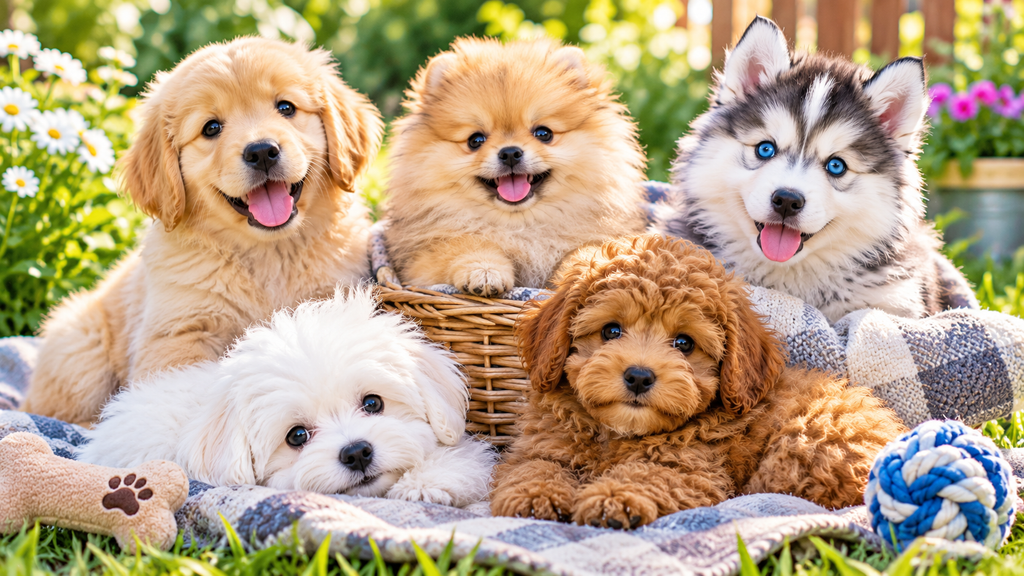
The best fluffy dog for a family depends on the ages of the children, the household’s activity level, available time for grooming, and the dog’s individual temperament.
Here are a few breeds worth considering: Cute Fluffy Dogs
| Dog breed | Potential advantage | Important consideration |
|---|---|---|
| Bichon Frise | Playful and sociable | Regular coat maintenance |
| Havanese | Affectionate companion | Needs regular company |
| Miniature Poodle | Intelligent and trainable | Requires grooming and activity |
| Samoyed | Energetic and friendly | Heavy shedding and exercise needs |
| Keeshond | People-oriented and alert | Can be vocal |
| Shih Tzu | Adaptable companion | Heat sensitivity and coat care |
No breed is automatically perfect with every child. Teach children to approach dogs calmly, avoid pulling their fur, and leave them alone while eating or sleeping. Adult supervision is essential.
For more family-friendly options, read our guide to [best dog breeds for kids].
Cute Small Fluffy Dogs for Apartments
If you live in an apartment, you may prefer a small dog that can exercise comfortably indoors and enjoys spending time with people.
Some options include: Cute Fluffy Dogs
- Pomeranian: Small, energetic, and alert.
- Maltese: A tiny companion that enjoys indoor living.
- Shih Tzu: Often content with moderate daily activity.
- Bichon Frise: Playful and adaptable to different homes.
- Havanese: Sociable and well suited to companionship.
Remember that small size does not mean low maintenance. Some little dogs bark frequently, need extensive grooming, or require more exercise than expected.
Before bringing a dog home, consider its noise level, exercise needs, toilet-training requirements, and how long it will be left alone.
Which Fluffy Dogs Shed the Least?
Shedding varies among individual dogs, but some breeds generally shed less visibly than thick-coated breeds such as Samoyeds and Finnish Lapphunds.
Breeds commonly considered for lower shedding include: Cute Fluffy Dogs
- Bichon Frise
- Maltese
- Miniature Poodle
- Havanese
- Shih Tzu
These dogs still need regular brushing and coat maintenance. Hair that remains in a curly or long coat can tangle and form mats if it is not removed through grooming.
Important: No dog breed is completely hypoallergenic. Allergens can be found in a dog’s dander, saliva, and other materials, not only in shed hair.
If allergies are a concern, spend time around the specific dog before adopting and speak with a healthcare professional about your symptoms.
You can also explore our guide to [low-shedding dog breeds] to compare more options.
How to Care for a Cute Fluffy Dog
A beautiful fluffy coat needs consistent care. Grooming is not just about appearance; it also helps you spot skin irritation, parasites, tangles, and other problems.
1. Brush the Coat Regularly
Different coats require different brushing schedules. Long-haired dogs may need daily brushing, while some double-coated breeds need several sessions each week.
Use a suitable brush or comb and work gently through the coat. Pay special attention to areas behind the ears, under the legs, around the collar, and near the tail.
Never pull hard on a mat because doing so can hurt your dog. Severe matting may require help from a professional groomer or veterinarian.
2. Bathe Your Dog When Needed
Bathing helps remove dirt and keep the coat fresh. Use a dog-specific shampoo and rinse thoroughly to prevent residue from irritating the skin.
Bathing frequency depends on the breed, coat, activity level, and skin condition. Avoid excessive bathing unless your veterinarian recommends it.
3. Keep the Coat Comfortable in Warm Weather
Fluffy dogs with thick double coats can become uncomfortable in hot weather. Provide shade, fresh water, good ventilation, and cooler places to rest.
Avoid heavy exercise during the hottest part of the day. Do not shave a double-coated dog without professional advice because its coat can play a role in insulation and skin protection.
4. Maintain Dental Health
Small fluffy breeds, including Maltese and Shih Tzus, can be prone to dental problems. Regular toothbrushing with dog-safe toothpaste and veterinary dental checks can help protect their teeth and gums.
5. Provide Exercise and Mental Stimulation
Even the cutest little dogs need daily activity. Walks, training games, puzzle toys, and supervised play can help prevent boredom.
Choose activities according to your dog’s age, health, and energy level. Puppies and senior dogs may need shorter or gentler sessions.
6. Schedule Regular Veterinary Checkups
Routine veterinary care helps keep your dog healthy. Vaccinations, parasite prevention, weight monitoring, and dental assessments should be tailored to the dog’s age and circumstances.
If you notice persistent itching, bald patches, painful skin, unusual tiredness, or changes in appetite, contact your veterinarian.
How to Choose the Right Fluffy Dog for Your Lifestyle
A dog’s appearance can be appealing, but long-term compatibility matters much more than looks.
Ask yourself these questions before choosing a breed: Cute Fluffy Dogs
- How much time can I spend grooming? Long and dense coats may require substantial daily care.
- How active is my household? A Samoyed generally needs more exercise than many small companion breeds.
- How much space do I have? Small dogs may adapt well to apartments, but they still need exercise and training.
- Will the dog spend time alone? People-oriented breeds may struggle with long periods of isolation.
- Can I afford routine care? Food, grooming, preventive veterinary care, and unexpected medical costs should be included in your budget.
- Do I have children or other pets? Choose a dog whose temperament and needs fit your household, and introduce animals carefully.
If you are unsure, consider adopting an adult dog from a reputable rescue organization. Adult dogs may have more established personalities, making it easier to evaluate their activity level and compatibility.
Frequently Asked Questions
What is the cutest fluffy dog breed?
There is no single answer because cuteness is subjective. Pomeranians, Bichon Frise dogs, Samoyeds, Shih Tzus, and Japanese Spitz dogs are popular choices for their fluffy coats and expressive faces.
What is the smallest fluffy dog?
The Pomeranian and Maltese are among the smallest popular fluffy companion breeds. Individual size varies, and responsible selection should prioritize health and temperament rather than extremely small size.
Are fluffy dogs good pets for children?
Many fluffy breeds can be loving family companions, but suitability depends on the individual dog’s temperament, training, and socialization. Small dogs can be injured by rough handling, while large dogs may accidentally knock over young children. Always supervise interactions.
Which fluffy dogs do not shed much?
Bichon Frise, Maltese, Havanese, Shih Tzu, and Poodles are commonly considered lower-shedding options. However, all dogs produce allergens, and low shedding does not mean no grooming.
Do fluffy dogs need professional grooming?
Many do, especially breeds with continuously growing hair or dense coats that mat easily. The required frequency depends on the breed, coat length, and grooming routine at home.
Are fluffy dogs suitable for hot climates?
Some can live comfortably in warm climates if they receive appropriate care. Provide shade, fresh water, ventilation, and exercise during cooler hours. Thick-coated and short-muzzled breeds may need extra precautions, and signs of heatstroke require urgent veterinary attention.
The Bottom Line
Cute fluffy dogs come in many shapes and sizes, from tiny Pomeranians and Maltese dogs to large, cloud-like Samoyeds and shaggy Old English Sheepdogs. Each breed has its own personality, exercise needs, and grooming requirements. Before choosing a fluffy companion, think about your living space, daily routine, family, and ability to provide regular coat care. With the right match, a fluffy dog can become a loving and delightful part of your life for many years.
[…] If you love the idea of a giant canine companion, the best match depends on much more than appearance. Temperament, energy level, grooming needs, and your household routine all matter. For more insight here cute fluffy dogs […]