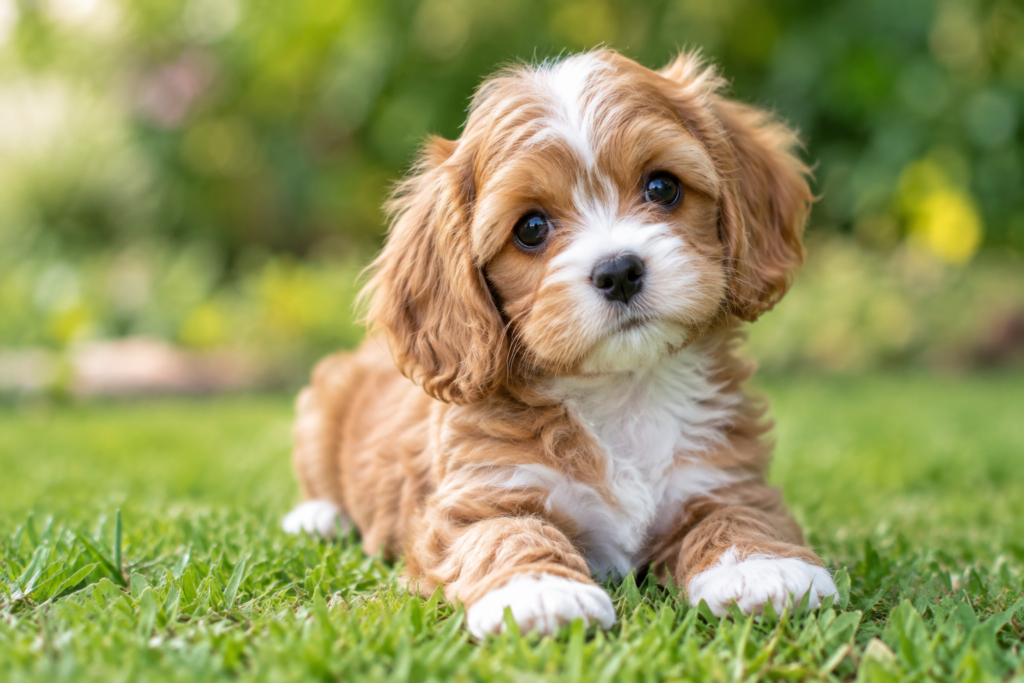
A little dog can be a wonderful companion for people who want a smaller pet that fits comfortably into everyday life. Chihuahuas, Shih Tzus, Havanese, Pugs, Maltese, Italian Greyhounds, and other small breeds can suit apartments and smaller homes, but their personalities and care requirements vary. The best choice depends on your lifestyle, activity level, family situation, and the amount of grooming and training you can provide. For more insight here calm small dog breeds
What Is a Little Dog?
“Little dog” is a casual term rather than a specific breed classification. It can describe many dogs that are small in physical size, including toy breeds and small dogs from other breed groups.
The American Kennel Club lists small dogs across several groups, not only the Toy Group. Some are companion-oriented, while others were developed for hunting, vermin control, or other jobs.
A small dog may offer: Little Dog Guide
- Easier handling than a much larger dog
- Less physical space required inside the home
- Convenient travel in many situations
- A wide variety of coat types
- Different activity levels to suit different households
- Companion breeds that enjoy spending time with their owners
However, small size should never be confused with low energy or low responsibility.
15 Popular Little Dog Breeds
1. Chihuahua
The Chihuahua is one of the smallest recognized dog breeds and is known for its confident personality despite its tiny body.
Chihuahuas can form strong bonds with their owners and may be alert to unfamiliar people and sounds. Their small size makes them convenient for many living situations, but they still need socialization and training.
Care basics: Little Dog Guide
- Short or long coat varieties
- Regular nail and dental care
- Daily opportunities for activity
- Early socialization
- Gentle handling
A Chihuahua is tiny, but it is not necessarily a quiet or sleepy dog.
2. Shih Tzu
The Shih Tzu was developed as a companion dog and is particularly well suited to people who want a small dog that enjoys being close to the family.
The breed can adapt well to smaller living spaces and generally does not require the intense exercise associated with athletic working breeds.
Good fit for:
- Apartments
- Families
- Couples
- People who enjoy companion dogs
- Owners who can provide regular grooming
Its long coat requires considerable maintenance unless kept in a shorter pet trim.
3. Havanese
The Havanese is a cheerful, social little dog originally developed in Cuba. The AKC describes Havanese as adaptable, sociable, intelligent, and eager to please. They generally need moderate exercise, such as walks or playtime.
Why owners may like them:
- Friendly personality
- Compact size
- Moderate exercise needs
- Enjoyment of family interaction
- Adaptability to different homes
One important consideration is companionship. Havanese generally prefer not to be left alone for very long periods.
4. Maltese
The Maltese is a tiny companion breed recognized for its long, flowing white coat.
Despite its elegant appearance, the Maltese can be playful and lively. It can be a good choice for people who want a very small indoor companion.
Care needs include:
- Frequent coat brushing
- Regular dental care
- Gentle training
- Daily play
- Routine veterinary care
A short pet haircut can make coat maintenance easier, but regular grooming is still necessary.
5. Pomeranian
The Pomeranian is a tiny, fluffy dog with a big personality. The AKC describes Toy breeds as affectionate and adaptable but emphasizes that their small size does not mean they lack energy or personality.
Pomeranians can be intelligent, active, and alert.
Expect:
- Regular brushing
- Daily activity
- Training and socialization
- A potentially vocal personality
- Strong attachment to their owners
They can live in apartments, but appropriate exercise and mental stimulation still matter.
6. Pug
The Pug is a compact companion dog with a short coat, expressive face, and affectionate personality.
Pugs often enjoy spending time with their families and can adapt to indoor lifestyles.
Important care points:
- Keep activity appropriate for the individual dog
- Avoid excessive heat exposure
- Monitor body condition
- Clean skin folds as recommended
- Maintain regular veterinary care
Because Pugs have a short-faced structure, owners should discuss heat and exercise considerations with their veterinarian.
7. Italian Greyhound
The Italian Greyhound is a miniature sighthound with a sleek body and very short coat.
It can be affectionate and comfortable indoors while still enjoying opportunities to run and play safely.
Best suited to owners who:
- Want a very small dog
- Enjoy an affectionate companion
- Can provide safe exercise
- Understand its delicate physical build
Its fine structure means rough play with larger dogs or young children may require extra caution.
8. Cavalier King Charles Spaniel
The Cavalier King Charles Spaniel is a small companion breed known for its gentle and affectionate nature. The AKC breed temperament guide describes Cavaliers as friendly, affectionate, sweet, and gentle.
Cavaliers can enjoy walks and play but are also known as companion-oriented dogs.
Care considerations:
- Regular brushing
- Daily activity
- Positive training
- Social interaction
- Routine veterinary care
They are larger than some toy breeds but still small enough for many homes and apartments.
9. Boston Terrier
The Boston Terrier is a compact, short-coated dog with a distinctive tuxedo-like appearance.
It can be playful, intelligent, and affectionate, making it appealing to owners who want a small dog with plenty of personality.
Daily routine may include:
- Walks
- Indoor play
- Short training sessions
- Socialization
- Quiet rest
Boston Terriers are small, but they still benefit from a structured routine.
10. French Bulldog
The French Bulldog is a compact breed with a muscular body and short coat.
It is often kept as a companion and can be comfortable in an apartment or smaller home when its needs are met.
Consider:
- Heat management
- Appropriate exercise
- Weight control
- Skin and ear care
- Veterinary monitoring
The breed’s short coat is relatively simple to maintain, but its overall care is not maintenance-free.
11. Dachshund
The Dachshund is instantly recognizable because of its long body and short legs. It comes in several coat varieties, including smooth, longhaired, and wirehaired.
The breed may be small enough for an apartment but still has a curious, determined, and energetic personality.
Care priorities:
- Sensible exercise
- Weight management
- Training
- Socialization
- Careful handling
Its body shape is one reason owners should avoid treating the breed like a fragile toy while also taking reasonable precautions with jumping and rough activity.
12. Miniature Pinscher
The Miniature Pinscher is a small, athletic dog with a smooth coat and confident personality.
It is sometimes mistaken for a tiny version of another breed, but it is a distinct breed with its own history and characteristics.
Good match for:
- Active individuals
- Owners who enjoy training
- People wanting a small but energetic dog
- Homes that can provide daily mental stimulation
Its tiny size does not eliminate its need for activity.
13. Papillon
The Papillon is a small toy breed famous for its butterfly-like ears. The AKC describes the breed as quick, curious, and athletic.
Papillons can be especially enjoyable for owners who want a small dog that is highly interactive and willing to learn.
Highlights:
- Intelligent
- Small and portable
- Playful
- Athletic for its size
- Enjoys training and interactive games
This is a good example of why a small dog should not automatically be assumed to be a lazy lapdog.
14. Japanese Chin
The Japanese Chin is a small toy companion with an elegant appearance and distinctive personality.
Its compact size can work well in smaller homes, especially when owners provide appropriate walks, play, and companionship.
Care needs include:
- Regular coat maintenance
- Gentle handling
- Socialization
- Mental stimulation
- Routine veterinary care
15. Biewer Terrier
The Biewer Terrier is a small toy breed with a long, flowing coat and a devoted family personality. The AKC temperament guide describes Biewers as charming, intelligent, devoted to family, and friendly with other animals.
They can be a good option for someone looking for a very small companion with a social personality.
Regular coat grooming is an important part of ownership.
Are Little Dogs Good for Apartments?
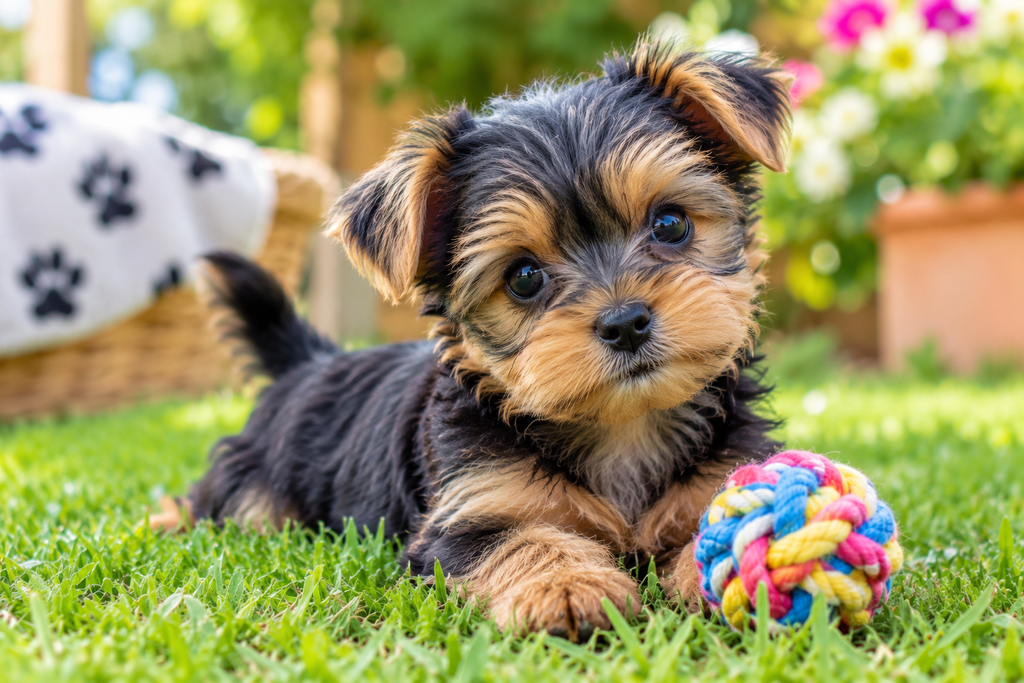
Many little dogs can adapt well to apartment living, but apartment suitability depends on more than body size.
The AKC notes that small breeds can be suitable for apartment life, while also emphasizing that some small dogs are energetic and others may prefer more active environments.
Before bringing a dog into an apartment, consider:
- Exercise requirements
- Barking tendencies
- Ability to settle indoors
- Time spent alone
- Access to safe outdoor areas
- Noise sensitivity
- Training needs
For example, a small dog that barks frequently may be harder to manage in a shared-wall building than a similarly sized dog that settles quietly.
Are Little Dogs Good With Children?
Some small breeds can be excellent family companions, but the ages and behavior of the children matter.
Very small dogs can be physically fragile. The AKC warns that some small breeds may not be suitable for households with very young, energetic children and recommends considering the family’s lifestyle when choosing a breed.
Children should learn to:
- Approach dogs calmly
- Never pull ears or tails
- Leave dogs alone while eating
- Avoid climbing on dogs
- Respect a dog’s sleeping space
- Ask an adult before picking up a small dog
Adults should supervise interactions between young children and dogs.
Do Little Dogs Need Less Exercise?
Not always.
Some little dogs have moderate exercise needs, while others are surprisingly energetic. The AKC’s Toy Group description specifically notes that toy dogs can be smart and full of energy despite their small stature.
A daily routine could include:
- A morning walk
- Short training sessions
- Indoor play
- Sniffing activities
- Evening activity
- Plenty of rest
The appropriate amount depends on the dog’s breed, age, health, and individual personality.
Are Little Dogs Easier to Care For?
Small size can make some practical tasks easier, but it does not automatically make a dog low-maintenance.
A little dog may require:
- Regular dental care
- Nail trimming
- Grooming
- Training
- Socialization
- Exercise
- Veterinary care
- A balanced diet
- Safe handling
Coat type also makes a major difference. A short-haired Chihuahua and a long-coated Maltese are both tiny, but their grooming routines can be very different.
Little Dog vs. Small Dog: Is There a Difference?
In everyday conversation, the terms are often used interchangeably.
However, “little dog” is not a formal breed category. Small dogs can belong to the Toy Group, Terrier Group, Hound Group, Non-Sporting Group, and other AKC groups.
This means two dogs of similar size can have dramatically different:
- Temperaments
- Exercise needs
- Grooming requirements
- Training styles
- Historical purposes
Learning about the individual breed is more useful than relying on size alone.
How to Choose the Right Little Dog
Start with your lifestyle rather than appearance.
If you want a companion for a quiet home
Consider breeds such as:
- Cavalier King Charles Spaniel
- Shih Tzu
- Japanese Chin
- Pug
If you want a small but active dog
Look at:
- Papillon
- Miniature Pinscher
- Dachshund
- Italian Greyhound
If grooming is not a problem
You might consider:
- Maltese
- Havanese
- Shih Tzu
- Biewer Terrier
If you prefer a short coat
Potential options include:
- Chihuahua
- Boston Terrier
- Pug
- French Bulldog
- Italian Greyhound
- Miniature Pinscher
These are starting points, not guarantees. Individual dogs can differ considerably within the same breed.
FAQ About Little Dogs
What is the smallest dog breed?
The Chihuahua is widely recognized as one of the smallest dog breeds. However, individual dogs vary in size, and several other toy breeds are also extremely small.
What little dog is best for an apartment?
Several small breeds can work well in apartments, including Shih Tzus, Chihuahuas, Cavalier King Charles Spaniels, Pugs, and Japanese Chins. The right choice depends on exercise, barking, temperament, and your daily routine.
What little dog is good for a family?
Cavalier King Charles Spaniels, Havanese, and some other companion breeds can suit families. However, very small dogs may need extra protection from rough handling by young children.
Are little dogs easier than big dogs?
They can be easier to physically handle and may require less living space, but they are not automatically easier to train or care for. Some tiny dogs are energetic, vocal, independent, or demanding.
Do little dogs live longer?
Size can be associated with differences in canine longevity, but lifespan varies substantially between individual dogs and breeds. Genetics, preventive care, nutrition, environment, and overall health all matter.
The Bottom Line
A little dog can fit beautifully into many homes, from city apartments to family households. Chihuahua, Shih Tzu, Havanese, Cavalier King Charles Spaniel, Pug, Maltese, Papillon, Italian Greyhound, Boston Terrier, and Dachshund are just some of the many small breeds available. The key is to choose based on temperament, exercise, grooming, training, and family needs rather than size or appearance alone. Small dogs may take up less physical space, but they still deserve the same thoughtful care, socialization, and attention as any other dog.
[…] The best medium-sized dogs offer a useful balance between compact living and substantial companionship. Breeds such as the Cocker Spaniel, Whippet, Shetland Sheepdog, Brittany, Bulldog, and Australian Shepherd can fit different lifestyles, from relaxed households to highly active families. The right choice depends on temperament, exercise requirements, grooming, training, and the environment you can provide—not size alone. For more insight here little dog […]