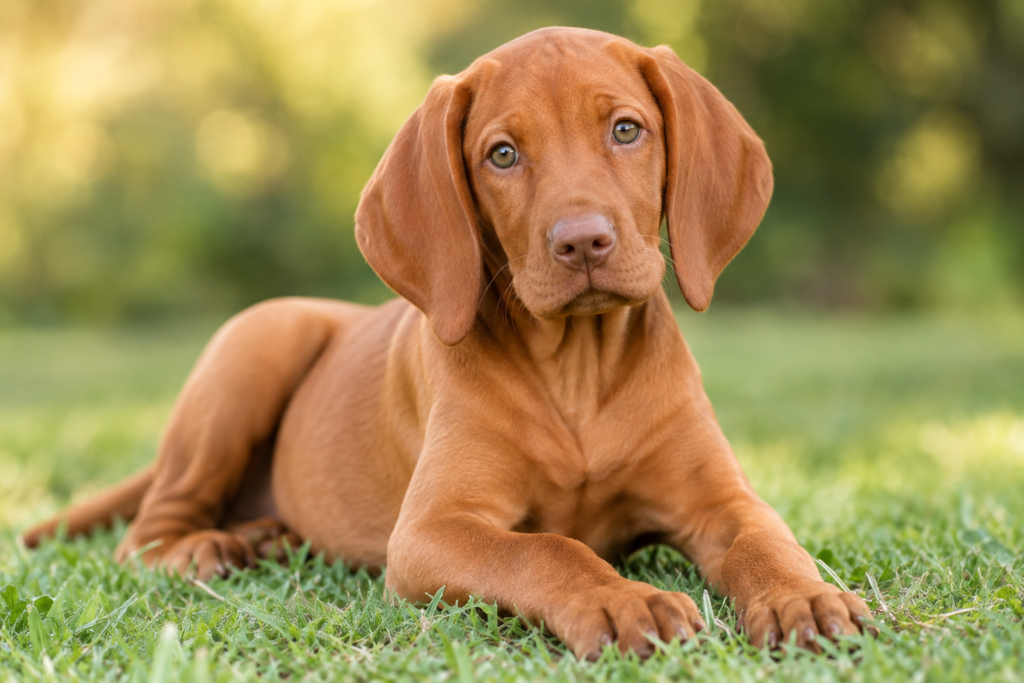
A Vizsla puppy is affectionate, intelligent, energetic, and strongly attached to its family. Originally developed in Hungary as a versatile hunting dog, the Vizsla combines athletic ability with a gentle, people-focused personality. Raising one successfully means providing positive training, early socialization, age-appropriate exercise, mental stimulation, and plenty of companionship. For more insigh here vizsla puppies
What Is a Vizsla Puppy Like?
Vizslas are medium-sized sporting dogs recognized for their sleek, short golden-rust coat and athletic build. The breed was developed to work in the field, forest, and water, so even a young puppy naturally tends to be curious, active, and interested in exploring its surroundings.
A typical Vizsla puppy can be:
- Affectionate and people-oriented
- Energetic and playful
- Intelligent and eager to learn
- Sensitive to harsh handling
- Curious about new environments
- Naturally athletic
- Very attached to its owners
The strong bond Vizslas form with their families is one reason they are often called “Velcro dogs.” They commonly prefer staying close to their people rather than spending long periods alone.
Vizsla Puppy Appearance
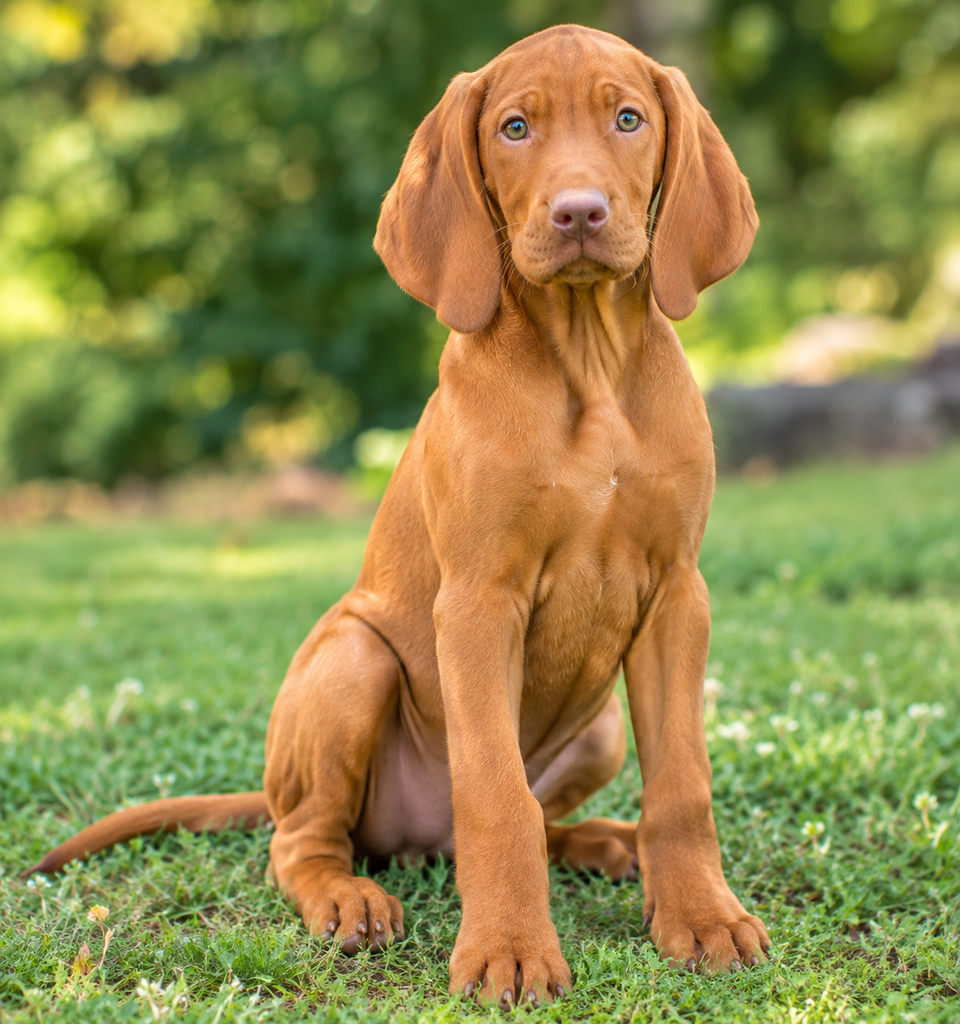
Vizsla puppies grow into elegant, lean, athletic dogs with a short, smooth coat. The breed’s traditional color is a shaded golden-rust, which gives the Vizsla its distinctive appearance.
As puppies mature, their bodies become more defined and muscular, reflecting their sporting heritage.
Important features include:
- Short, smooth coat
- Golden-rust coloring
- Long, hanging ears
- Lean, muscular body
- Athletic legs
- Expressive eyes
- Medium-sized overall build
Adult Vizslas generally stand around 21–24 inches tall and weigh approximately 44–60 pounds, although an individual dog’s size can vary.
Vizsla Puppy Temperament
The temperament of a Vizsla is one of its biggest attractions. The Royal Kennel Club describes the breed as lively, intelligent, obedient, sensitive, very affectionate, and easily trained. Vizslas were bred to work closely with people, which helps explain their strong desire for human interaction.
A puppy may follow family members from room to room, investigate everything happening around the house, and become excited when someone starts a game or training session.
This affectionate nature is wonderful, but it also creates a responsibility for owners. A Vizsla may struggle if it is routinely ignored or left alone for excessive periods.
What Owners Commonly Get Wrong
One common mistake is thinking that a Vizsla only needs physical exercise.
Exercise matters, but mental stimulation matters too. The breed’s intelligence and hunting instincts mean that activities such as scent games, obedience training, retrieving, and problem-solving can be valuable ways to keep a young dog occupied.
Training a Vizsla Puppy
Training should begin as soon as the puppy settles into its new home.
Vizslas are generally eager to please and respond well to consistent, positive training. Harsh methods are unnecessary and can be particularly unhelpful with a sensitive breed.
Start with simple skills such as:
- Responding to its name
- Sitting
- Coming when called
- Walking calmly on a leash
- Waiting briefly
- Settling in a designated area
- Leaving inappropriate objects alone
- Accepting gentle handling
Keep sessions short and rewarding. A young puppy does not need lengthy obedience classes every day. Several brief sessions can be more effective than one long lesson.
Positive Training Example
Ask your puppy to sit. When it sits, immediately reward the behavior with praise or an appropriate food reward. Repeat several times, then stop before the puppy becomes bored.
This approach helps the puppy understand exactly which behavior earns a reward.
Socialization for a Vizsla Puppy
Early socialization helps puppies become comfortable with the people, animals, sounds, surfaces, and environments they are likely to encounter throughout life.
Introduce your puppy gradually to:
- Different people
- Friendly, well-socialized dogs
- Household sounds
- Car rides
- Safe outdoor locations
- Different floor surfaces
- Grooming equipment
- Collars and harnesses
- Everyday sights and sounds
The goal is not to overwhelm the puppy. New experiences should be introduced at a pace the puppy can handle.
The AKC specifically emphasizes early socialization for Vizslas because they are a sensitive breed and benefit from developing confidence through positive experiences.
Vizsla Puppy Exercise Needs
Vizslas are high-energy sporting dogs, but a puppy should not be exercised like a fully grown adult.
Puppies need physical activity that matches their age and development. The AKC recommends tailoring puppy exercise to the individual dog’s age, breed, and daily schedule. Puppies should be allowed appropriate periods of activity and rest rather than being pushed through strenuous exercise.
Good puppy activities can include:
- Short walks
- Gentle play
- Supervised exploration
- Basic training
- Simple retrieving games
- Scent games
- Food puzzles
- Safe play in a puppy-proofed area
Avoid forcing a young puppy to run long distances or participate in strenuous adult-level workouts.
Mental Exercise Matters
A Vizsla’s brain needs work as well as its body.
Simple activities such as finding a hidden toy, learning a new command, practicing recall, or working through a suitable food puzzle can provide useful mental stimulation.
This is especially important because a bored Vizsla may find its own entertainment through chewing, digging, counter-surfing, or other unwanted behaviors.
Feeding a Vizsla Puppy
A growing puppy needs a nutritionally complete diet appropriate for its developmental stage. The correct amount depends on factors such as age, current size, activity level, body condition, and the specific food being used.
Rather than following a universal feeding amount, owners should use the food manufacturer’s puppy-feeding guidance and discuss growth and body condition with their veterinarian.
Helpful habits include:
- Provide clean drinking water.
- Keep meals consistent.
- Avoid sudden diet changes.
- Use training treats in moderation.
- Monitor the puppy’s body condition.
- Ask your veterinarian about an appropriate feeding routine.
Rapid growth is not the goal. Healthy, steady development is more important.
Grooming a Vizsla Puppy
One of the easiest aspects of Vizsla care is grooming. Their short, sleek coat does not require the extensive maintenance associated with long-haired breeds.
The AKC recommends occasional brushing to help manage shedding, along with routine nail, ear, and dental care.
A basic grooming routine can include:
- Regular brushing
- Nail trimming
- Ear checks
- Tooth brushing
- Occasional bathing when necessary
- Checking the coat and skin after outdoor activities
Puppyhood is an excellent time to introduce grooming.
Touch the puppy’s paws gently, inspect its ears, and briefly brush the coat while offering praise. This teaches the puppy that handling is normal rather than something to fear.
Vizsla Puppies and Family Life
Vizslas can be excellent family dogs for households that understand their activity and companionship needs. Their affectionate nature can make them devoted companions, and they often enjoy participating in family activities.
However, children should be taught how to interact appropriately with a puppy.
A young Vizsla may jump, mouth during play, or become overly excited. Consistent training and supervision help prevent these behaviors from becoming habits.
A good family routine might include:
- Morning potty and gentle activity
- Short training sessions
- Rest periods
- Interactive play
- Supervised family time
- Mental enrichment
- A calm evening routine
Can a Vizsla Puppy Live in an Apartment?
Living in an apartment is not automatically impossible, but it can be challenging.
Vizslas are active sporting dogs that need substantial daily physical and mental engagement. Simply having indoor space does not meet those needs.
An apartment owner would need to provide appropriate outdoor activity, training, enrichment, and companionship every day.
The more important question is not simply “How big is the home?” but “Can the household consistently meet the puppy’s needs?”
Can Vizsla Puppies Be Left Alone?
Vizslas are strongly people-oriented and often prefer being close to their owners. Extended isolation can be difficult for this breed and may contribute to unwanted behaviors.
Young puppies should gradually learn to spend short periods alone.
Start with brief absences and build up slowly. Provide a safe resting space and an appropriate enrichment item, and avoid suddenly leaving a young puppy alone for an entire workday.
Teaching independence early can help a puppy become more comfortable with normal periods of separation.
Vizsla Puppies and Other Pets
Vizslas were developed as hunting dogs, so their natural prey drive should be taken seriously. The AKC notes that this instinct can make some Vizslas challenging matches for homes with small pets.
If a puppy is going to live with another animal, introductions should be gradual and supervised.
Never assume that a young puppy automatically understands how to behave around:
- Cats
- Rabbits
- Birds
- Hamsters
- Other small animals
Individual temperament and training matter, but natural hunting instincts can remain part of the breed.
Health Considerations
Choosing a healthy puppy starts with responsible breeding and appropriate veterinary care.
Prospective owners should ask about the parents’ health history and any recommended breed-specific screening. They should also receive appropriate veterinary records for the puppy.
Important questions include:
- Has the puppy received veterinary care?
- What vaccinations have been given?
- What parasite-control treatments have been used?
- What health testing was performed on the parents?
- Can the breeder provide relevant documentation?
- What food is the puppy currently eating?
- How has the puppy been socialized?
A responsible breeder should be willing to discuss these details openly.
How to Keep a Vizsla Puppy Busy
A Vizsla puppy does not need to be entertained every second, but a predictable combination of activity, training, rest, and enrichment can make daily life much easier.
Try rotating activities instead of doing the same thing every day.
For example:
- Monday: Basic obedience and gentle play
- Tuesday: Short sniffing games and exploration
- Wednesday: Recall practice and a food puzzle
- Thursday: Handling and grooming practice
- Friday: New safe environment or household experience
- Weekend: Family activities with plenty of rest
The exact schedule should be adjusted according to the puppy’s age and individual needs.
Frequently Asked Questions
Are Vizsla puppies easy to train?
Yes, they are generally intelligent and eager to please. Positive, consistent training started during puppyhood can help channel their energy and natural abilities.
Are Vizsla puppies good family dogs?
They can be excellent family companions, particularly for active households that can provide exercise, training, attention, and companionship. Children should always be taught safe and respectful puppy handling.
How much exercise does a Vizsla puppy need?
The amount depends on age and individual development. Young puppies need short, age-appropriate activity combined with rest rather than strenuous adult exercise.
Do Vizsla puppies shed?
Yes. They have short coats and do shed, but their grooming requirements are relatively simple compared with many long-haired breeds. Regular brushing can help manage loose hair.
Why are Vizslas called Velcro dogs?
Vizslas form unusually close bonds with their owners and often prefer to remain physically close to their people. This strong attachment is why they are commonly called “Velcro dogs.”
Conclusion
A Vizsla puppy is an affectionate, intelligent, energetic companion that thrives when it can learn, explore, play, and spend time with its family. Its short coat makes grooming relatively simple, but its high energy, sensitivity, and strong need for companionship require an involved owner. With positive training, early socialization, appropriate exercise, mental enrichment, and responsible care, a Vizsla puppy can grow into a confident, loyal, and well-mannered adult dog.
Conclusion
A Vizsla puppy is an affectionate, intelligent, and energetic companion that needs plenty of love, training, socialization, and age-appropriate exercise. Its short coat makes grooming relatively easy, while its strong bond with people makes companionship especially important. With consistent care, positive training, and proper mental stimulation, a Vizsla puppy can grow into a loyal, confident, and well-mannered family dog.
[…] Magyar Vizsla puppies are affectionate, intelligent, energetic dogs with a strong desire to stay close to their families. Also known as Hungarian Vizslas, they were developed in Hungary as versatile hunting dogs capable of finding, pointing, and retrieving game on land and in water. Their friendly nature makes them appealing companions, but their energy, sensitivity, and need for human interaction require committed owners. For more insigh here vizsla puppy […]