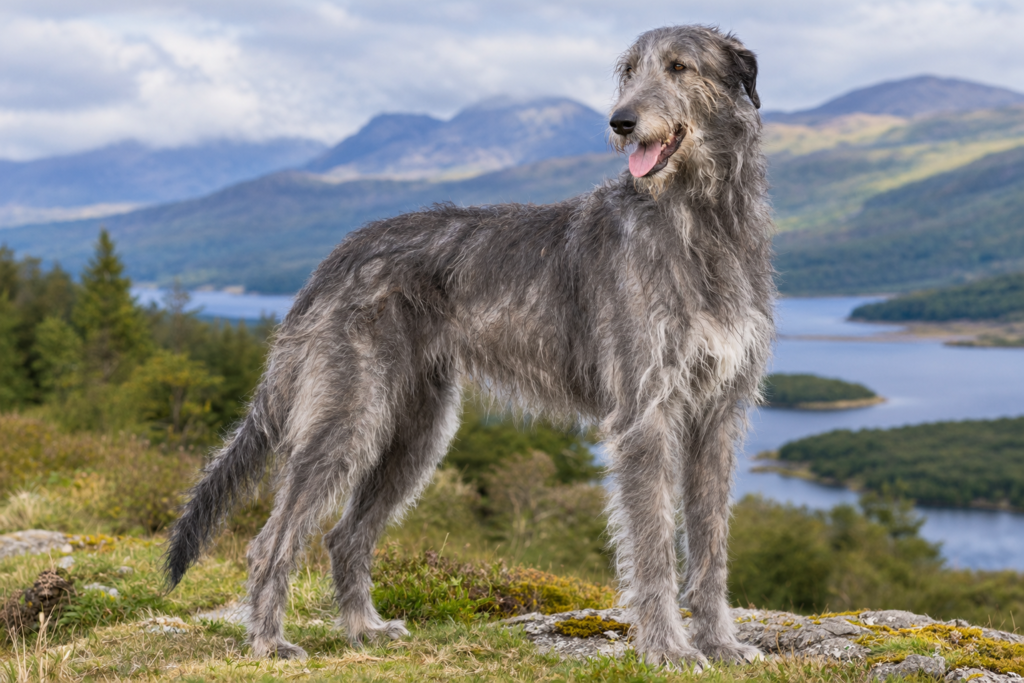
The Wolfhound Deerhound keyword is commonly associated with two magnificent giant sighthound breeds: the Irish Wolfhound and the Scottish Deerhound. Both dogs are famous for their extraordinary height, athletic bodies, rough coats, gentle personalities, and long histories as hunting dogs.
Although the Irish Wolfhound and Scottish Deerhound can look similar at first glance, they are separate breeds with different origins and traditional purposes. The Irish Wolfhound was historically used to hunt wolves and other large game in Ireland, while the Scottish Deerhound was developed for hunting red deer in Scotland.
Today, these impressive dogs are primarily loved as family companions. Their enormous size may look intimidating, but both breeds are generally known for affectionate and gentle temperaments. For more insigh here dog breed russian wolfhound
What Is a Wolfhound Deerhound?
“Wolfhound Deerhound” is not the official name of one single dog breed. Instead, the term can refer to the similarities between the Irish Wolfhound and Scottish Deerhound.
Both belong to the sighthound group. Sighthounds were developed to spot and chase prey using their excellent eyesight and impressive running ability.
The two breeds share several characteristics:
- Very tall bodies
- Long legs
- Deep chests
- Long heads
- Athletic builds
- Rough or wiry coats
- Strong prey drive
- Gentle family personalities
- A long history of hunting
Despite these similarities, their size, body structure, history, and individual characteristics differ.
Wolfhound Deerhound Irish Wolfhound
The Irish Wolfhound is one of the world’s tallest dog breeds. It was historically bred in Ireland to hunt large animals, including wolves. The breed’s combination of height, strength, speed, and courage made it highly valuable to hunters.
Modern Irish Wolfhounds are usually calm and affectionate. They often form strong relationships with their owners and enjoy spending time with their families.
Their huge size means owners must be prepared for the practical responsibilities of keeping a giant breed, including appropriate food, exercise, veterinary care, and enough living space.
Wolfhound Deerhound Scottish Deerhound
The Scottish Deerhound is an ancient breed associated with the Scottish Highlands. It was developed to chase and hunt large red deer.
The breed has a graceful appearance, long legs, deep chest, and rough coat. Although it is extremely tall, the Scottish Deerhound generally has a lighter and more athletic appearance than the Irish Wolfhound.
Scottish Deerhounds can be affectionate and gentle at home but may become very focused when they see something moving. Their natural chasing instinct is an important consideration for owners.
Wolfhound Deerhound Appearance
The Irish Wolfhound and Scottish Deerhound have a similar overall silhouette. Both have long legs and narrow, athletic bodies designed for speed.
Wolfhound Deerhound Irish Wolfhound Appearance
Irish Wolfhounds have:
- A very large frame
- Long legs
- A deep chest
- A long head
- A rough, wiry coat
- Strong but graceful muscles
- A distinctive large-dog appearance
Their coat can occur in several colors, including gray, brindle, red, black, white, and fawn.
Wolfhound Deerhound Scottish Deerhound Appearance
Scottish Deerhounds have:
- A tall, athletic body
- Long legs
- A deep chest
- A long head
- A rough-textured coat
- A graceful, streamlined appearance
Their coat is typically harsh and wiry, helping protect them from the challenging Scottish climate.
Wolfhound vs. Deerhound
The easiest way to understand these breeds is to compare them directly.
| Feature | Irish Wolfhound | Scottish Deerhound |
|---|---|---|
| Origin | Ireland | Scotland |
| Original purpose | Wolf and large-game hunting | Red deer hunting |
| Body type | Very large and powerful | Tall and athletic |
| Coat | Rough and wiry | Rough and wiry |
| Temperament | Gentle, calm, affectionate | Gentle, dignified, affectionate |
| Exercise | Regular exercise | Regular exercise with opportunities to run |
| Hunting instinct | Strong | Strong |
| Size | Generally taller and heavier | Slightly lighter in build |
Wolfhound Deerhound Temperament and Personality
One of the most appealing characteristics of these giant breeds is the contrast between their appearance and personality.
An Irish Wolfhound can look imposing because of its enormous size, but it is generally known for its gentle and friendly nature. Many enjoy relaxing near their owners and participating in family life.
Scottish Deerhounds are similarly gentle and affectionate. They can be dignified and reserved in some situations while becoming playful and loving with people they trust.
Early socialization is important for both breeds. Puppies should gradually experience different people, environments, sounds, and situations in a positive way.
Are Wolfhounds and Deerhounds Good Family Dogs?
They can be excellent family companions for the right household.
Their calm nature can make them enjoyable family dogs, but their enormous size must always be considered. A young giant-breed dog can accidentally knock over a small child simply through playful movement.
Children should therefore always be supervised around large dogs, regardless of how gentle the dog normally is.
Wolfhound Deerhound Exercise Needs
Both breeds need regular physical activity.
Their ancestors were working hunting dogs capable of running at high speeds, so they should not be treated as dogs that only need occasional short walks.
A suitable routine can include:
- Daily walks
- Controlled running
- Safe outdoor play
- Mental stimulation
- Training exercises
A securely fenced area is particularly useful because both breeds can have a strong instinct to chase.
Owners should be especially careful around roads, livestock, cats, and other small animals.
Training a Wolfhound or Deerhound
Training should begin when the dog is young.
Both breeds can be intelligent and responsive, but sighthounds may also have an independent nature. Harsh training methods are unnecessary and can damage trust.
Positive reinforcement is a better approach. Rewarding good behavior with praise, treats, or play can help the dog understand what is expected.
Important training areas include:
- Basic obedience
- Leash manners
- Recall
- Socialization
- Calm behavior around people
- Appropriate behavior around other animals
Recall training deserves special attention because a dog with a strong prey drive may ignore its owner when it begins chasing something.
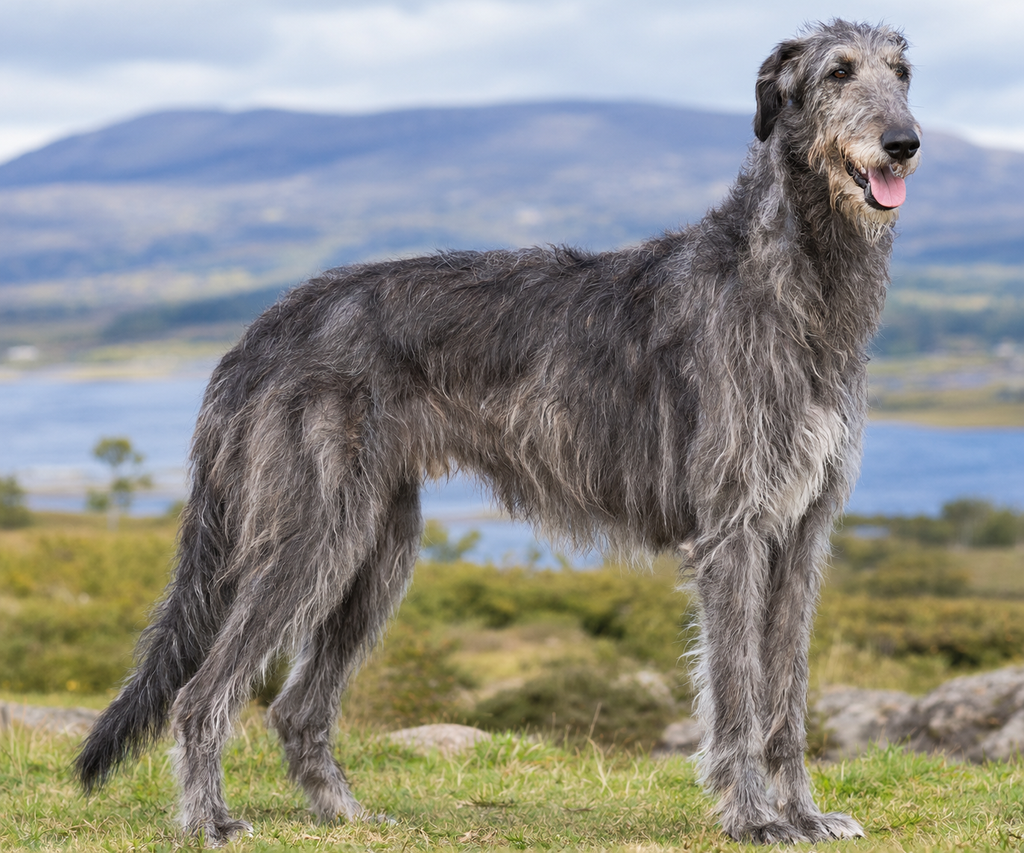
Wolfhound Deerhound Grooming Requirements
The rough coats of Irish Wolfhounds and Scottish Deerhounds require regular maintenance.
Brushing helps remove loose hair and dirt while keeping the coat looking healthy. Grooming also gives owners an opportunity to check the skin for abnormalities.
Regular care should include:
- Brushing
- Nail trimming
- Dental care
- Ear checks
- Bathing when necessary
Neither breed is considered a low-maintenance dog simply because its coat does not require elaborate styling. Their enormous bodies also make routine grooming more time-consuming than grooming a small dog.
Wolfhound Deerhound Feeding a Giant Breed
Nutrition is particularly important for giant dogs.
Growing puppies should receive a balanced diet appropriate for their size and age. Overfeeding during growth can contribute to excessive weight gain and place unnecessary stress on developing bones and joints.
Adult dogs also need their food portions monitored carefully. Maintaining a healthy body condition is important for reducing unnecessary strain on the dog’s body.
Owners should discuss nutrition with a veterinarian, particularly during puppyhood and periods of rapid growth.
Wolfhound Deerhound Health Considerations
Like other giant breeds, Irish Wolfhounds and Scottish Deerhounds can be affected by various health problems.
Potential concerns can include orthopedic conditions and other disorders associated with large breeds. Their size can also make injuries and mobility problems more difficult to manage.
Responsible breeders should prioritize health and appropriate genetic screening where recommended.
Routine veterinary examinations can help identify potential problems early.
Owners should also remember that giant breeds generally require more careful health management than smaller dogs.
Wolfhound Deerhound Lifespan
One important consideration when choosing either breed is lifespan.
Giant breeds generally have shorter average lifespans than many smaller dogs. This means prospective owners should think carefully about the emotional commitment involved in sharing their lives with one of these dogs.
Providing appropriate nutrition, exercise, preventive veterinary care, and a safe environment can help support overall health and quality of life.
Living With a Wolfhound Deerhound
Before bringing an Irish Wolfhound or Scottish Deerhound home, consider the practical requirements.
A giant dog needs:
- Adequate indoor space
- A comfortable sleeping area
- Large, durable equipment
- Appropriate transportation
- A secure outdoor area
- A suitable veterinarian
- A realistic food budget
Even ordinary activities can be different with a giant breed. For example, a large dog may require a bigger vehicle, larger beds, stronger crates, and more food than a small or medium-sized dog.
Wolfhound Deerhound and Other Pets
Both breeds have hunting backgrounds, so their relationship with smaller animals should be managed carefully.
Some individual dogs may live successfully with cats or other pets, especially when introduced carefully from a young age. However, owners should never assume that every Wolfhound or Deerhound will be safe around small animals.
Supervision, controlled introductions, and proper training are important.
Who Should Own an Irish Wolfhound or Scottish Deerhound?
These breeds are best suited to people who understand the responsibilities of owning a giant dog.
They can be a good choice for someone who:
- Wants a gentle giant
- Has sufficient space
- Can provide regular exercise
- Understands sighthound behavior
- Can afford giant-breed care
- Is prepared for a long-term commitment
They may be less suitable for someone looking for a very small, highly portable, or extremely easy-care dog.
Frequently Asked Questions
Is a Wolfhound the same as a Deerhound?
No. The Irish Wolfhound and Scottish Deerhound are separate dog breeds. They share a similar appearance because both are large sighthounds, but they have different histories and traditional hunting roles.
Which is bigger, an Irish Wolfhound or Scottish Deerhound?
The Irish Wolfhound is generally larger and heavier. The Scottish Deerhound is also extremely tall but usually has a lighter, more athletic build.
Are Wolfhounds aggressive?
Irish Wolfhounds are generally known for their gentle and friendly temperament. However, every dog is an individual, and proper socialization and responsible training are important.
Are Scottish Deerhounds good pets?
Yes. Scottish Deerhounds can make affectionate and gentle companions for owners who can meet their exercise, space, training, and care requirements.
Wolfhound Deerhound Do Wolfhounds need a lot of exercise?
They need regular exercise and should have opportunities for appropriate physical activity. However, exercise should be adjusted according to age, health, and individual needs.
Wolfhound Deerhound Can a Deerhound live in a house?
Yes, a Scottish Deerhound can live in a house if its physical and mental needs are properly met. Its enormous size means the home should provide enough room for comfortable movement.
Final Thoughts
The Wolfhound Deerhound comparison brings together two extraordinary giant sighthounds: the Irish Wolfhound and Scottish Deerhound. Both were shaped by centuries of hunting history, yet today they are valued primarily for their companionship, loyalty, and gentle personalities.
The Irish Wolfhound generally stands out for its greater overall size and powerful appearance, while the Scottish Deerhound is known for its elegant, athletic build and historic connection to Scotland’s red deer.
Neither breed should be chosen simply because of its impressive appearance. These dogs require responsible ownership, appropriate nutrition, regular exercise, training, grooming, veterinary care, and enough space to live comfortably.
For an owner prepared for the responsibilities of a giant breed, however, an Irish Wolfhound or Scottish Deerhound can be a remarkable and loving companion.
Conclusion
The Irish Wolfhound and Scottish Deerhound are two remarkable giant sighthound breeds known for their impressive size, athletic ability, gentle nature, and fascinating hunting history. While the Irish Wolfhound is generally larger and more powerful, the Scottish Deerhound is known for its elegant and athletic build. Both can make loving and loyal companions when given proper training, exercise, nutrition, grooming, and veterinary care. For families and owners who are prepared for the responsibilities of a giant dog, either breed can be a wonderful addition to the home.
[…] Strong, energetic, intelligent, and independent, the Norwegian Elkhound is best suited to owners who can provide regular exercise, training, and mental stimulation. Its combination of endurance and loyalty has helped make it one of Norway’s best-known native dog breeds. For more insigh here wolfhound deerhound […]