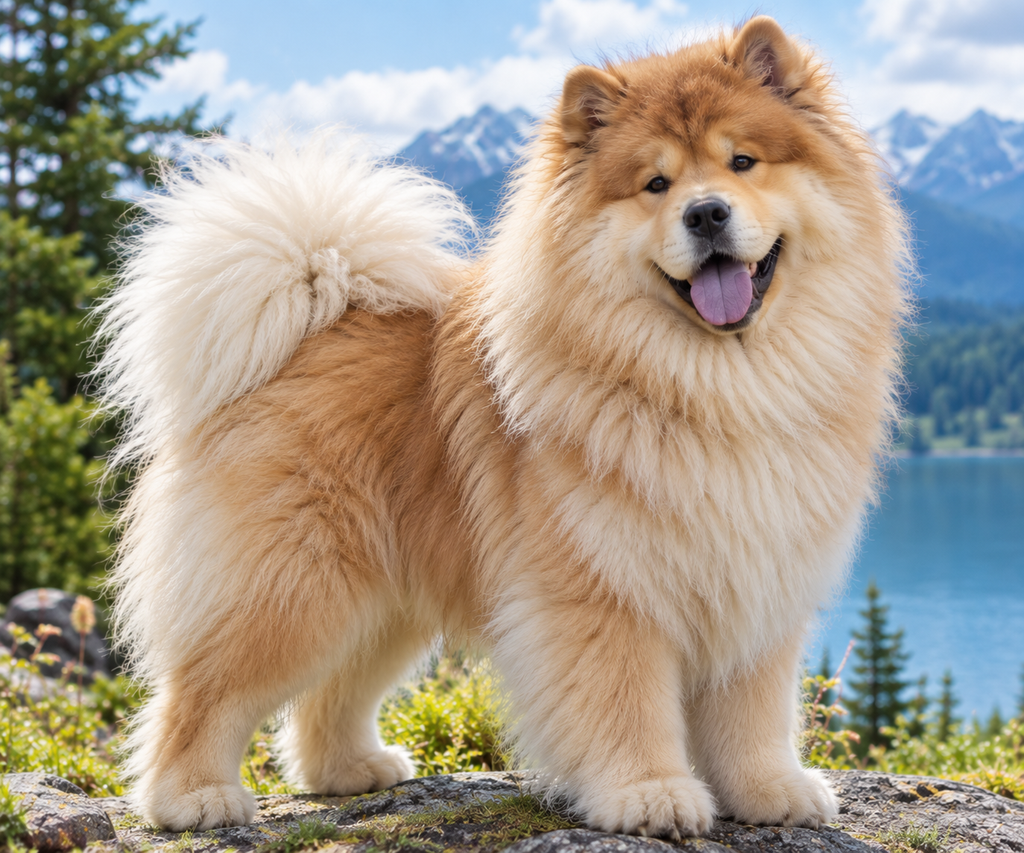
If you are searching for dogs fluffy enough to look like walking teddy bears, you have plenty of breeds to choose from. Pomeranians, Bichon Frises, Samoyeds, Keeshonds, Rough Collies, and Great Pyrenees all have eye-catching coats, but their personalities and grooming needs can be very different. For more insight here fluffy dog
What Makes Dogs Look Fluffy?
A fluffy appearance can come from several different coat types. Some dogs have a dense double coat with a soft undercoat and protective outer hairs, while others have curly or continuously growing hair that creates a plush appearance.
Double-coated dogs can have short, medium, long, or extremely dense coats. Pomeranians and Samoyeds, for example, have particularly dense coats, while Collies and Newfoundlands have longer double coats.
The amount of fluff does not automatically tell you how much grooming a dog needs.
A fluffy dog may require: Dogs Fluffy
- Frequent brushing
- Regular baths when needed
- Professional grooming
- Coat trimming, depending on the breed
- Nail care
- Regular checks for mats and tangles
- Extra coat care during heavy shedding periods
That difference is important because some fluffy-looking dogs shed very little, while others can leave substantial amounts of hair around the home.
12 Fluffy Dog Breeds to Know
1. Pomeranian
The Pomeranian is one of the most recognizable small fluffy dogs. Its tiny body is covered by a profuse double coat that creates the breed’s signature puffed-out appearance.
Pomeranians are intelligent, lively, and often confident despite their small size. Their coat needs frequent brushing to stay healthy and manageable. Owners who prefer professional grooming may schedule appointments every few weeks depending on the desired coat style.
Good fit: Small homes, apartments, singles, and families that want a lively companion.
Common misconception: A small dog does not necessarily mean an easy-care dog. Pomeranians still need training, activity, socialization, and regular grooming.
2. Bichon Frise
The Bichon Frise has a soft, curly coat that gives it a distinctive cotton-ball appearance. It is small, cheerful, and adaptable, making it an appealing companion for many households.
One unusual detail about the Bichon coat is that loose hairs tend to become caught in the surrounding coat rather than falling freely around the house. That can reduce visible shedding, but it also means dead hair needs to be brushed out regularly to prevent mats.
Good fit: Apartments, families, and people looking for a small social companion.
Grooming level: High. Regular brushing and trimming are important.
3. Samoyed
The Samoyed is famous for its brilliant white coat and friendly expression. It was developed as a working dog in cold climates and generally enjoys being involved with its people.
Samoyeds have a dense double coat and shed regularly, with heavier shedding periods during the year. Daily brushing can help control loose hair and maintain the coat.
Good fit: Active owners and families who want an interactive dog.
Watch out for: Their beautiful coat requires considerable maintenance, and their social nature means they may not be happy being left alone for long periods.
4. Keeshond
The Keeshond is a medium-sized fluffy dog with a thick coat and distinctive facial markings. Its fur creates a full mane around the neck and gives the breed a particularly plush appearance.
Keeshonds are affectionate, energetic, and generally good-natured. Their coat benefits from frequent brushing, with AKC recommending daily brushing for the breed.
Good fit: Active households that want a social medium-sized companion.
5. Chow Chow
The Chow Chow is instantly recognizable because of its lion-like appearance and thick coat.
Unlike some highly social companion breeds, Chow Chows tend to be more independent. Their personality should therefore be considered just as carefully as their appearance.
Their double coat needs regular grooming and bathing to stay in good condition.
Good fit: Experienced owners who appreciate an independent dog.
Common misconception: A fluffy appearance does not mean every dog enjoys constant cuddling or handling.
6. Rough Collie
The Rough Collie is known for its long, abundant coat and elegant appearance. It can be an affectionate family companion and is particularly recognizable for its full mane and feathering.
Rough-coated Collies shed and require regular brushing. They also need daily physical activity and interaction rather than simply being treated as decorative fluffy pets.
Good fit: Families and active individuals who can commit to exercise and coat care.
7. Great Pyrenees
The Great Pyrenees is a large, powerful dog with a thick white coat. Its fluffy appearance can make it look almost bear-like, especially around the neck and chest.
But this is much more than a giant cuddle dog. Great Pyrenees were developed as livestock guardians and retain strong protective instincts. They can be affectionate with their families while remaining watchful of their surroundings.
Good fit: Spacious homes and owners prepared for a large guardian breed.
Common misconception: Their calm appearance does not eliminate the need for training, boundaries, and responsible management.
8. Old English Sheepdog
The Old English Sheepdog has one of the most recognizable shaggy coats in the dog world. Its abundant fur can make the dog look considerably larger than its actual body.
That coat requires serious maintenance. AKC recommends grooming down to the skin because the breed is double-coated, with regular brushing and additional grooming during the month.
Good fit: Owners who genuinely have time for extensive grooming.
9. Standard Poodle
Standard Poodles have curly, abundant coats rather than the traditional straight fluffy coat seen in breeds such as the Samoyed.
Their hair can become matted if it isn’t brushed regularly. AKC recommends daily brushing and notes that many owners use professional grooming approximately every four to six weeks.
Poodles are also intelligent, active, and highly trainable, so their needs extend well beyond coat maintenance.
Good fit: Active owners who want an intelligent companion and don’t mind regular grooming.
10. Tibetan Mastiff
The Tibetan Mastiff has an imposing appearance created by its large size and massive double coat.
This breed was developed as a guardian and tends to be intelligent, independent, and protective. That makes it very different from a small companion breed that simply happens to have a fluffy coat.
Good fit: Experienced owners who understand independent guardian breeds.
11. Newfoundland
The Newfoundland is a massive working dog with a substantial coat. Its combination of size, thick fur, and gentle-looking expression makes it one of the most impressive fluffy breeds.
However, owning a giant fluffy dog requires practical preparation. Grooming takes longer, the dog needs adequate space, and everyday activities such as transportation and exercise can be more demanding.
Good fit: Owners with enough space and the ability to manage a giant breed.
12. Bernese Mountain Dog
The Bernese Mountain Dog has a long, beautiful coat that contributes strongly to its fluffy appearance. It is a large working breed and can make a devoted companion when its exercise, training, and social needs are met.
Its long coat also means owners should expect regular brushing and noticeable shedding.
Good fit: Families and individuals who want a large companion and can manage a substantial coat.
Which Fluffy Dogs Shed the Most?
Not all fluffy dogs shed in the same way.
Many double-coated breeds release undercoat throughout the year and may have periods of particularly heavy shedding. The amount varies by breed, coat type, season, and even climate.
Some commonly recognized heavy-shedding fluffy breeds include: Dogs Fluffy
- Samoyed
- Pomeranian
- Rough Collie
- Chow Chow
- Great Pyrenees
- Keeshond
- Newfoundland
If loose hair around the house is a major concern, don’t choose a breed based only on how fluffy it looks.
Which Fluffy Dogs Shed Less?
Some fluffy-looking breeds shed much less visibly than traditional double-coated dogs.
The Bichon Frise is a good example. Its loose hairs tend to become caught in the coat, which means less hair may be scattered around the home. However, those trapped hairs still need to be removed through regular brushing.
The Standard Poodle is another example of a lower-shedding coat, but its continuously growing hair requires consistent grooming to prevent mats.
This creates an important distinction:
Less shedding does not necessarily mean less grooming.
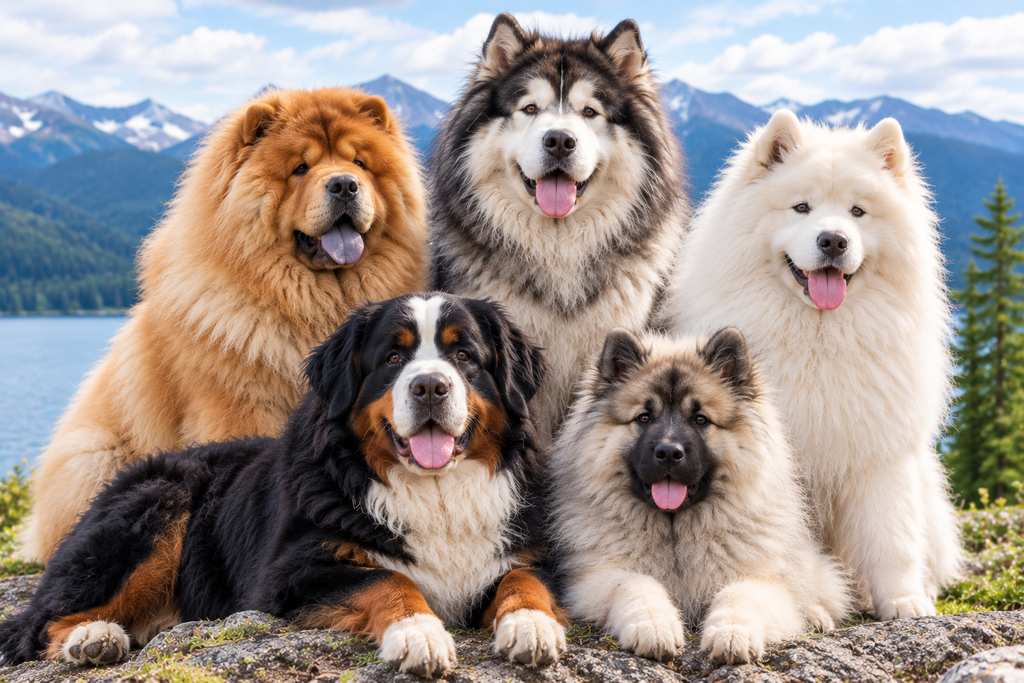
How to Groom Fluffy Dogs
Grooming should be part of your normal routine rather than something you do only when the coat looks messy.
A useful routine includes: Dogs Fluffy
Brush the entire coat
Don’t only brush the visible top layer. Dense coats can hide loose hair and tangles underneath.
Check problem areas
Pay special attention to: Dogs Fluffy
- Behind the ears
- Under the collar
- Around the legs
- Under the armpits
- Around the tail
- Between the toes
Use the right brush
The correct tool depends on coat type. Slicker brushes, combs, pin brushes, and undercoat tools can all have different purposes.
Start grooming early
If you have a fluffy puppy, gently introduce brushing, paw handling, nail care, and other grooming routines early. This can help the dog become comfortable with being handled.
Don’t ignore professional grooming
Long, curly, or extremely dense coats may be easier to manage when a professional groomer is part of the routine.
How Often Should You Brush a Fluffy Dog?
There is no universal brushing schedule.
A lightly coated dog may need less frequent brushing, while a dense Samoyed or a curly Bichon may need much more frequent attention. AKC recommends at least weekly brushing for many double-coated dogs, with some breeds requiring considerably more.
A simple practical test is this: Dogs Fluffy
If a comb cannot comfortably pass through the coat, the dog needs more grooming attention.
Don’t wait until large mats form. Tangled hair can pull on the skin and become uncomfortable.
Should You Shave a Fluffy Dog?
Usually, you shouldn’t shave a double-coated dog simply because the dog is fluffy or because summer has arrived.
The outer coat and undercoat work together to protect the skin and help regulate the dog’s environment. Shaving can interfere with that protective function and may cause problems with coat regrowth or expose the skin to sun damage.
Instead, owners can help fluffy dogs during hot weather by: Dogs Fluffy
- Providing plenty of fresh water
- Offering shade
- Avoiding strenuous exercise during the hottest part of the day
- Brushing out loose undercoat
- Keeping the coat clean and free of mats
- Asking a veterinarian or professional groomer about unusual coat problems
If a dog has severe matting, professional advice is safer than attempting a major haircut at home.
Are Fluffy Dogs Good Family Pets?
Many can be, but coat appearance doesn’t determine temperament.
For example, Bichon Frises can be adaptable companions for families and smaller homes, while Samoyeds are social, active dogs that enjoy being involved with their people. Great Pyrenees and Tibetan Mastiffs have guardian backgrounds and therefore require a different approach.
Before choosing a fluffy breed, consider: Dogs Fluffy
- The dog’s adult size
- Energy level
- Temperament
- Grooming requirements
- Shedding
- Training needs
- Your available space
- How much time the dog will spend alone
Families should also teach children how to interact respectfully with dogs and give the dog a quiet place to rest.
Can Fluffy Dogs Live in Apartments?
Some can.
Apartment suitability depends on much more than size. A small fluffy dog can still be energetic, vocal, or demanding of attention, while a larger dog may have different exercise and space requirements.
Bichon Frises, for example, can adapt well to smaller living spaces when their exercise, training, companionship, and grooming needs are met.
Before choosing a fluffy dog for an apartment, consider: Dogs Fluffy
- Daily exercise requirements
- Barking or vocal tendencies
- Coat maintenance
- Time spent alone
- Elevator or stair access
- Nearby walking areas
- Your ability to handle shedding indoors
Fluffy Puppy vs. Adult Dog
A fluffy puppy doesn’t always keep exactly the same coat throughout adulthood.
Puppies can lose their soft puppy coat as their adult coat develops. The timing and appearance of this transition vary by breed. This is especially noticeable in some double-coated breeds.
That means you shouldn’t choose a dog solely because its puppy coat looks exceptionally fluffy.
Instead, research what the adult coat will look like and how much work it will require.
A Common Mistake Fluffy Dog Owners Make
One of the most common mistakes is brushing only the surface of a thick coat.
A fluffy dog can look perfectly groomed from above while developing tangles underneath. This is particularly problematic with dense double coats.
Regular brushing should reach through the coat rather than simply smoothing the outer layer. A comb can then help you check whether you have actually worked through the coat.
Another mistake is assuming that shaving will automatically solve shedding or heat problems. For double-coated dogs, that can remove part of the coat’s natural protective function rather than fixing the underlying issue.
How to Choose the Right Fluffy Dog
The right fluffy dog depends on your lifestyle.
If you want a tiny fluffy companion
A Pomeranian may be worth researching if you want a small but lively dog and are prepared for regular grooming.
If you want a small family companion
A Bichon Frise can be a practical option for people who want a social small dog and are comfortable with regular coat maintenance.
If you want an active fluffy dog
A Samoyed can suit owners who enjoy daily activity and want a dog that likes being involved in family life.
If you want a giant fluffy dog
Great Pyrenees, Newfoundland, and similar large breeds require significantly more space and practical management.
If you want less visible shedding
Consider breeds such as the Bichon Frise or Standard Poodle, while remembering that reduced shedding can come with significant grooming requirements.
Frequently Asked Questions
What is the fluffiest dog breed?
There is no scientific single winner for “fluffiest dog.” Samoyeds, Pomeranians, Keeshonds, Chow Chows, Great Pyrenees, Tibetan Mastiffs, and Rough Collies are all well known for particularly full coats.
What fluffy dog does not shed much?
Bichon Frises and Standard Poodles are examples of fluffy-looking breeds that generally have less visible shedding than many traditional double-coated breeds. However, both require regular grooming.
Do fluffy dogs need daily brushing?
Some do, while others can be maintained with less frequent brushing. The correct schedule depends on the dog’s coat. Samoyeds and Bichons, for example, can require very frequent coat care.
Are fluffy dogs good for families?
Many are, but the breed’s temperament and exercise requirements matter more than its appearance. Bichon Frises can be adaptable family companions, while breeds with strong guardian backgrounds may require more experienced handling.
Should you shave a fluffy dog in summer?
Don’t automatically shave a double-coated dog to make it cooler. The coat has protective and insulating functions, and shaving can interfere with those functions. Regular brushing, shade, water, and sensible activity are better starting points.
The Bottom Line
Fluffy dogs come in an enormous range of sizes, personalities, and coat types. The Pomeranian may fit someone looking for a tiny companion, while the Samoyed suits a more active household, and a Great Pyrenees or Newfoundland requires the space and commitment that come with a giant breed. Before choosing based on appearance, look closely at grooming, shedding, exercise, temperament, adult size, and living situation. A fluffy coat is beautiful, but the best match is the dog whose everyday needs fit naturally into your life.
[…] In this guide, you’ll discover 10 large, low-shedding dog breeds, what makes each one special, and how to choose the best companion for your lifestyle. For more insight here dogs fluffy […]